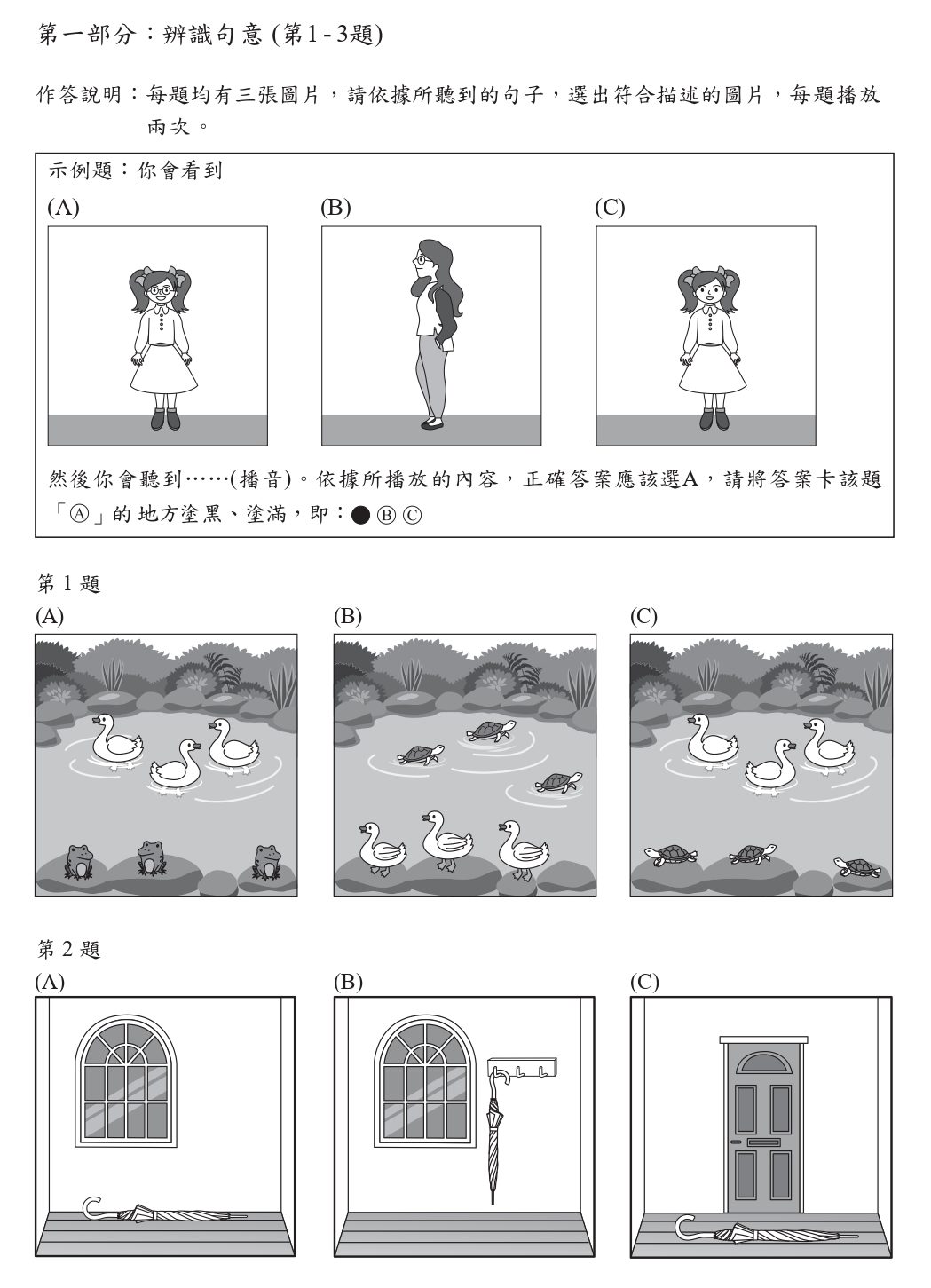
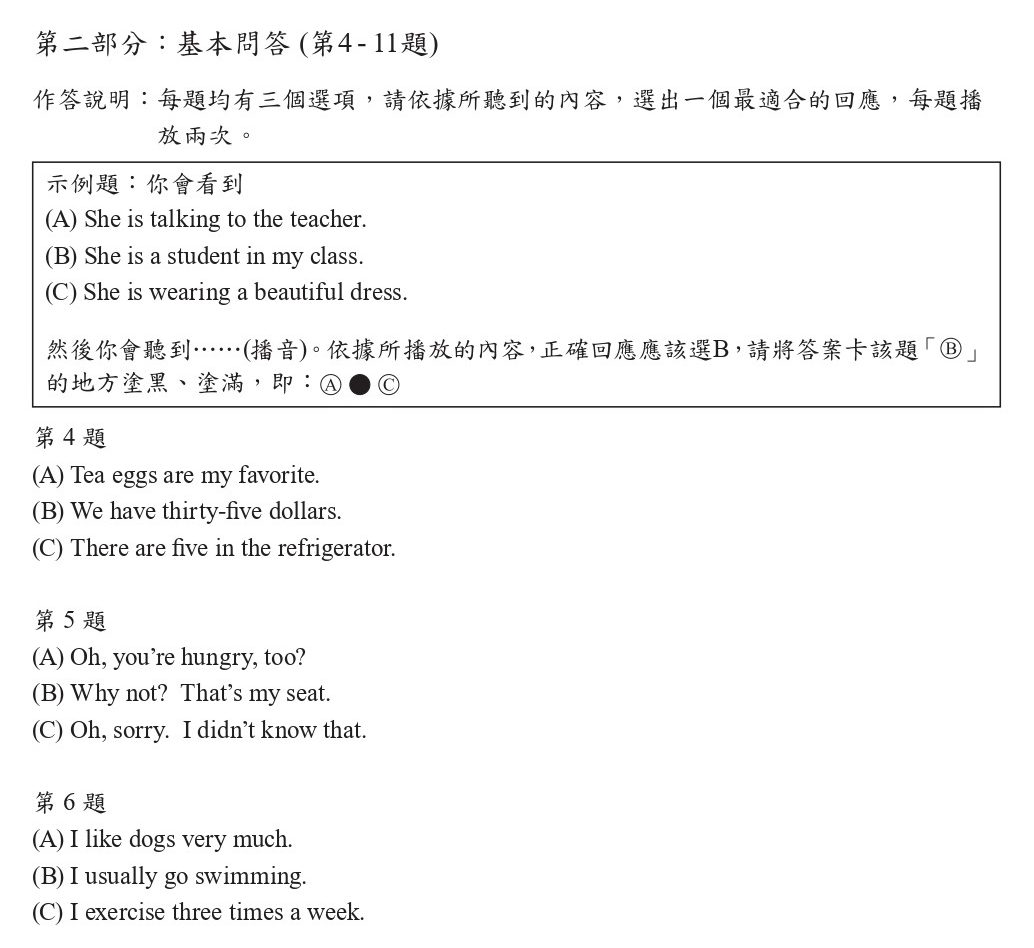
B1 Unit 1 作業小幫手

使用原則

請依照自己的需要逐層使用本作業小幫手。
如果你在第二層或第三層已經可以完成作業,就可以先完成並繳交。
第四層是完成第一次作業後的對照參考,或幫助你整理重點,不是要你一開始就直接照著做。

訓練重點不是一次完美,而是:先完成、再對照、再進步。

STC1-1 Secret Hiding Place

第一層|任務方向

看英文文章,練習快速理解,並用自然中文口頭翻譯出來。
視譯不是逐字翻譯,而是先理解英文句子,再用順暢中文說出意思。

第二層|重要單字與片語

  1. secret place:秘密地點
  2. by the pond:在池塘旁邊
  3. hide behind:躲在……後面
  4. stay very quiet:保持安靜
  5. watch animals:觀察動物
  6. learn about nature:認識大自然
  7. move through the grass:穿過草地
  8. respect nature:尊重大自然

第三層|句構切割提示

  1. Ron and Ted walk to their secret place / by the pond.
    → Ron 和 Ted 走到他們的秘密地點 / 在池塘旁邊。
  2. They hide behind short, thick trees / and stay very quiet.
    → 他們躲在矮矮、濃密的樹後面 / 並且保持安靜。
  3. They love coming here / to watch animals / and learn about nature.
    → 他們喜歡來這裡 / 觀察動物 / 並認識大自然。
  4. Their secret place is special / because it teaches them / to watch and respect nature.
    → 他們的秘密地點很特別 / 因為它教導他們 / 觀察並尊重大自然。

第四層|視譯重點整理

如果你已經可以完成視譯,就不一定要看這一層。
這篇文章的重點是:

Ron Ted 有一個池塘旁的秘密地點。他們在那裡安靜地觀察鴨子、烏龜、蛇和鹿。這個地方很特別,因為它教他們觀察並尊重大自然。

STC1-2 Kim Likes Living in the City

第一層|任務方向

練習把城市生活的英文內容,轉成流暢中文。
請先抓住人物、地點、活動與最後的感受。

第二層|重要單字與片語

  1. city apartment:城市公寓
  2. on the third floor:在三樓
  3. look out the window:看向窗外
  4. busy street below:下方忙碌的街道
  5. on the sidewalk:在人行道上
  6. ask her mother first:先問她媽媽
  7. on the way home:在回家的路上
  8. have great fun V-ing:做某事做得很開心
  9. city life:城市生活
  10. fun and convenient:有趣又方便

第三層|句構切割提示

  1. Kim lives in a city apartment / on the third floor.
    → Kim 住在城市裡的一間公寓 / 在三樓。
  2. She likes looking out the window / at the busy street below.
    → 她喜歡看向窗外 / 看著下方忙碌的街道。
  3. Her mother says yes, / but asks her to buy eggs and milk / on the way home.
    → 她媽媽答應了 / 但是請她買蛋和牛奶 / 在回家的路上。
  4. She feels happy / because city life is fun and convenient, / and she can also help her mother.
    → 她覺得很開心 / 因為城市生活有趣又方便 / 而且她也可以幫媽媽的忙。

第四層|視譯重點整理

如果你已經可以完成視譯,就不一定要看這一層。
這篇文章可以抓三個重點:

  1. Kim 住在城市公寓的三樓。
  2. 她和 Karen 去公園玩得很開心。
  3. 她在回家路上幫媽媽買蛋和牛奶,所以覺得城市生活有趣又方便。

STE1 Ben 的玩具

第一層|任務方向

看中文內容,練習轉換成簡單、正確、自然的英文。
第一次錄音不必追求完美,重點是先把中文意思用英文說出來。

第二層|重要英文表達

  1. 機器人玩具:robot toy
  2. 它的名字是 Toby:Its name is Toby.
  3. 會說話,也會走路:can talk and walk
  4. 每天放學後:every day after school
  5. 和 Toby 一起玩:play with Toby
  6. Ben 對 Toby 說:Ben says to Toby
  7. Toby 會回答:Toby answers
  8. 唱一首小歌:sing a little song
  9. 讓 Ben 很開心:make Ben very happy
  10. 放在床旁邊:put it next to his bed
  11. 很喜歡這個機器人玩具:likes this robot toy very much

第三層|句型提示

  1. 這是 Ben 的機器人玩具。
    → This is Ben’s robot toy.
  2. 它的名字是 Toby。
    → Its name is Toby.
  3. Toby 會說話,也會走路。
    → Toby can talk and walk.
  4. 每天放學後,Ben 都會和 Toby 一起玩。
    → Every day after school, Ben plays with Toby.
  5. 有時候,Toby 也會唱一首小歌,讓 Ben 很開心。
    → Sometimes, Toby sings a little song and makes Ben very happy.

第四層|完成第一次錄音後再聽:參考英文音檔

請先根據中文內容完成第一次錄音。
完成後,再聽參考英文音檔,檢查自己的單字、句型和語順。

你只需要繳交第一次錄音版本。
參考音檔是完成後的對照工具,不是錄音前要背誦的內容。

CI1 Shopping

第一層|任務方向

請聽音檔,抓住:誰去購物、去哪裡、買什麼、心情如何,以及故事重點。聽完後,用自己的英文重述故事。

第二層|聽前單字

shopping 購物|store 商店|apple 蘋果|bread 麵包|hungry 餓的|happy 開心的|family 家人|together 一起

第三層|聽力筆記與重述句型

People:__________ 
Place:__________ 
Food:__________ 
Feeling:__________ 
Main idea:__________
This story is about __________.
The speaker goes shopping with __________.
They buy __________ and __________.
After shopping, the speaker feels __________.
The story tells us that __________ is important.

第四層|完成第一次錄音後再看:參考重述版本

This story is about shopping with family. The speaker goes shopping with her mother. They buy red apples and warm bread. After shopping, she feels hungry but happy. The story tells us that family time is important.

WT1 我的寵物狗的玩具

第一層|任務方向

請根據中文文章,完成自己的第一次英文翻譯版本,並繳交第一次版本即可。

第二層|重要英文表達

my pet dog 我的寵物狗
look for 尋找
favorite toy 最喜歡的玩具
worried 著急的
on the chair 在椅子上
by the bed 在床邊
under the desk 在書桌下面
patient 有耐心的
careful 細心的

第三層|段落與句型提示

第一段:狗狗找不到玩具,很傷心、很著急。
My dog feels ________. It is looking for ________, but it cannot ________.

第二段:狗狗在椅子上、床邊、書桌下找玩具,最後找到了。
Is the toy ________? No, it is not there. Is it ________? Yes! The toy is ________.

第三段:狗狗開心玩玩具,故事提醒我們要有耐心和細心。
Now my dog happily ________. This story teaches us to be ________ and ________.

第四層|完成第一次作業後再看:參考英文版本

My dog feels sad. It is looking for its favorite toy, but it cannot find it. It feels very worried. Is the toy on the chair? No, it is not there. Is it by the bed? No, it is not there, either. Is it under the desk? Yes! The toy is there. Now my dog happily plays with its toy. This story teaches us to be patient and careful.
高二 (中級3/中級4)重要1000字

Unit 5

Part 1

Part 2

  1. artistic藝術的
  2. artificial人造的
  3. bump凸出處
  4. to identify認同
  5. elegance優雅
  6. courageous勇敢的
  7. bulge凸塊
  8. generosity慷慨
  9. discipline戒律;訓練
  10. evident明顯的
  11. to ridicule嘲笑
  12. itchy癢的
  13. drippy滴水的;鼻水流不停的;多雨的
  14. superficial做作的
  15. remedy療法
  16. approach方法;接近
  17. to heal治療
  18. separate分開的
  19. surgery外科手術
  20. holistic整體的;全面的
    holistic medicine整體療法
  21. to recommend推薦
  22. to relieve使安心
  23. tension緊繃
  24. alternative替代方案
  25. effective有效的
  26. chronic慢性的
  27. element要素
  28. conventional因循的;傳統的
  29. prestige聲望
  30. meditation沉思
  31. hypnotism催眠
  32. response反應
  33. addiction上癮

  1. symptom症狀
  2. allergy過敏
  3. recognition承認;認同
  4. desperation不顧一切;拼命
  5. complement補足物
  6. combination組合
  7. religious宗教的
  8. to emigrate移民到…
  9. to worship膜拜
  10. to whirl旋轉
  11. eventually終於
  12. communal共有的
  13. property財產
  14. quality品質;特質
  15. generosity慷慨
  16. modesty樸素
  17. purity純潔
  18. humanity人道
  19. celibacy獨身生活
  20. industrious勤奮的
  21. sufficient足夠的
  22. utensil餐具
  23. handicraft手工藝品
  24. superior優越的
  25. inventive善發明的
  26. to revolve旋轉
  27. to expand擴張
  28. to scatter散佈
  29. to dwindle漸變少
  30. existence存在
  31. harmony和諧
  32. contribution貢獻
  33. slave奴隸

超凡的理念

在非英語系國家,學好英語的關鍵在於如何在「放學下班後」為自己營造使用英語的環境。超凡遠距做到了!

全球學習英語人口持續快速成長,過去排斥英語的回教國家也鼓勵學習英文,例如2.6億人口的印尼也認同英語是世界語言而非某個強權的語言。雖然英語的地位在非英語系國家有官方語言、第二語言、及外國語言等些微差異,但是英語作為世界語是目前的趨勢。

英語目前在台灣是外國語言,然而政府已經設定願景,在2030成為官方語言。這一願景有人拍手但有人不看好,然而把英語成為工具以提升個人競爭力是共識。爭議點在於台灣的語言環境並不像瑞典或新加坡、馬來西亞等有地緣或政經背景,在台灣這一個沒有語言應用環境的地方,我們是否能夠成為真正的雙語國家呢?也就是到了政府辦公機構或搭上計程車,中文或英文攏ㄟ通。超凡遠距的訓練課程讓這變成有可能。

台灣學童通常從幼稚園開始接觸英文,通常相當不錯的基礎,也就是具備發音、拼字、基本句構、及基本閱讀理解的能力,但關鍵就在小學高年級時期沒有做好進階學習。一旦進入高年級或國中,由於課業更為繁重即進入青少年階段,能投入於英語的時間漸少,所以先前建立的語感漸漸流失。超凡遠距的課程設計在於弭補這些缺失,讓學習者可以做到下列幾點:

(1) 大量閱讀:以文章為本進行全文輸入輸出訓練,聽讀輸入取得有意義資訊,說寫輸出練習分享資訊。

(2) 大量說寫:學習者將大量閱讀的內容轉化成說寫的輸出訓練。

(3) 專業領域競爭力:學習者在英語學習過程中開始接觸科學、商業、史地等專業領域資訊,以英語輸入輸出專業領域資訊,提升未來競爭力。

(4) 考場職場兼顧:將文法單字等填鴨學習的內容在官網呈現,訓練內容真正幫助學習者在學習過程中既能準備各種考試,又能為未來競爭力做準備。

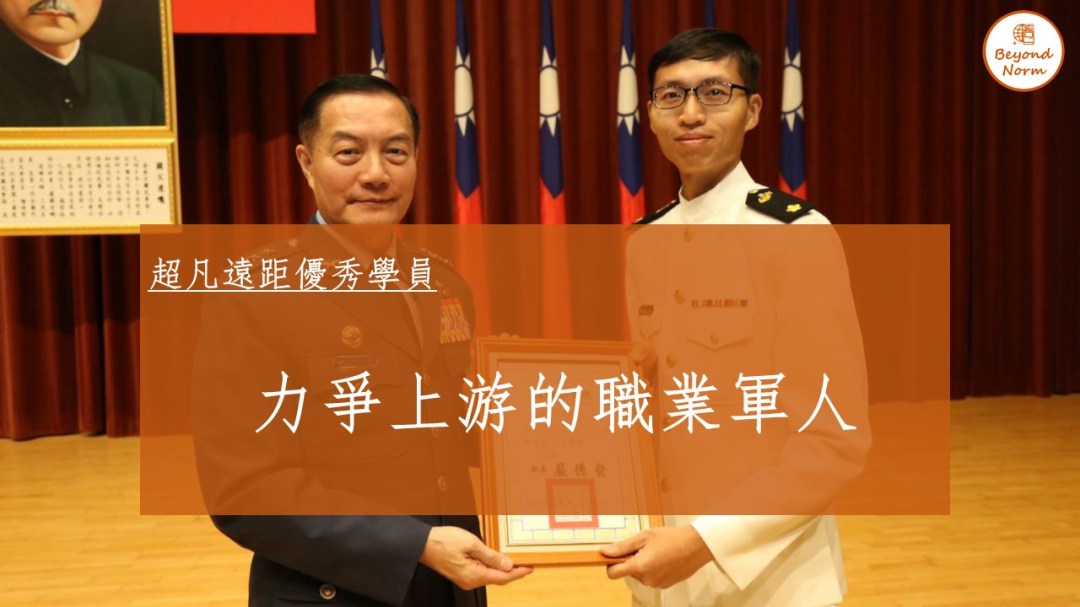
🤺力爭上游的職業軍人

超凡遠距以訓練取代上課,更可以節省大量時間金錢,你不需要花大錢購買課程,然後開車到教室找老師,卻只是進行光聽不說、光讀不寫的無效率課程。你也不需要花大錢購買課程後只是在線上跟不會中文的人聊天。 超凡遠距進行紮實的聽說讀寫訓練,幫助學習者提升使用語言的精準度,具備站在演講台上進行三分鐘以上演說的能力。點此了解詳情

學員訂正實例

中級2STC4摘要學員作業

中級2STC4摘要英語教練改善建議

中級4CI4學員作業

中級4CI4英語教練改善建議

E4WT6學員作業及教練改善建議

19 反身代名詞(self/selves)用法

全文輸入輸出訓練,效率效果又經濟。無論您是(1)注重口說寫作的國高中生及(2)提升競爭力的英文老師(3)還有努力成為雙語教室的各科老師(4)以及要提升專業英語說寫能力的碩博生。都能找到客製化訓練課程!請洽詢問專線

開始說明反身代名詞之前,我們再複習一下句子的五個元素:
<主詞>+動詞+<受詞>+<介係詞片語>+副詞。

反身代名詞就是中文表達時出現的「…我自己」或「…你自己」,也就是當主詞跟受詞是同一人就要用「反身代名詞」,例如I like myself. 句子中的myself就是反身代名詞。

反身代名詞的單數及複數

  1. I like you. You like me.
    主詞位置要放置主詞人稱代名詞,受詞位置要放置受詞人稱代名詞。
  2. I like myself. You like yourself.
    說明:當主詞與受詞為同一個人時,受詞要用反身代名詞。
  3. I like myself. We like ourselves.
    說明:當反身代名詞為複數時,要用複數-self > -selves

什麼時候該用反身代名詞呢?

  1. 主詞與受詞為同一個人:注意有單複數之區別,-self單數;-selves複數。
    (1) I like myself. We like ourselves.
    (2) You like yourself. You like yourselves.
    (3) He likes himself. She likes herself.
    (4) It likes itself. They like themselves.
  2. 主詞與介系詞片語的受詞為同人:-self單數;-selves複數
    (1) I must do it for myself.
    (2) You must do it for yourself.
    (3) He must do it for himself.
    (4) She must do it for herself.
    (5) It must do it for itself.
    (6) We must do it for ourselves.
    (7) You must do it for yourselves.
    (8) They must do it for themselves.
  3. 主詞要表達「親自(做)…」:-self單數;-selves複數
    (1) I can do it myself. = I myself can do it.
    (2) You can do it yourself.
    (3) He can do it himself.
    (4) She can do it herself.
    (5) It can do it itself.
    (6) We can do it ourselves.
    (7) You can do it yourselves.
    (8) They can do it themselves.

大量英語全文說寫遠距訓練:全文輸入輸出訓練
影片線上教學平台:Youtube教學頻道
提升國際競爭力 加入超凡遠距

😎開什麼玩笑!

我們使用語言的時候,開玩笑有分很多種情緒,有時候就是純粹是開玩笑,有時候是在開玩笑時一臉不屑,有時候是開玩笑加上模仿動作,超凡遠距在訂正學員作業時收集以下幾種不同層級學員使用的不同內涵的開玩笑用字。

  • To make fun of 取笑;拿…開玩笑 : to make a joke about someone in an unkind way
    The other children were always making fun of him because he was fat.
  • To laugh at 取笑;嘲笑 : to show that you think someone or something is stupid
    I can’t go into work looking like this – everyone will laugh at me.
  • To tease 戲弄;取笑 : to laugh at someone or say unkind things about them
    I was just teasing. I didn’t mean to upset you.
  • To sneer 嗤之以鼻 : a contemptuous facial expression made with the mouth
    You may sneer, but a lot of people like this kind of music.
  • To mock 常指為取笑而模仿 : to laugh at someone, often by copying them
    They were mocking him because he kept falling off his bike.
  • To ridicule 嘲笑;奚落 : to laugh at someone in an unkind way
    Other students ridiculed her for her idea.