
💗學習英文多年,最好能力的展現,就是站在眾人面前用英文做一場演講、做一個產品介紹、做一場自我介紹、或說一個小故事。

客製化訓練套餐
戰勝AI的語言競爭力:
1. 口筆譯核心訓練:適合國中或初級程度學習者
聽、說、讀、寫同步進行,奠定高階英文學習基礎。
不是只背單字、學文法,而是用完整文章訓練真正的英文輸出能力。
口筆譯核心訓練是超凡遠距中小學保證班的主要訓練項目,專為中小學生設計,目標是全面提升英文聽、說、讀、寫能力,幫助學員建立高階英文學習所需的穩固基礎。
本訓練採用「全文輸入輸出訓練」模式,不只學習單字、片語或文法,而是讓學員以完整文章為單位進行練習。學員需要透過口說錄音或書面寫作,將文章內容完整輸出,逐步強化英文理解、組織、表達與應用能力。
訓練內容包含訓練方法總攬中的前四項核心訓練,協助學員同步發展聽力理解、口語表達、閱讀理解與英文寫作。學員依照指定進度完成作業後,將錄音或書面作業上傳至個人雲端資料夾,由雲端英語教練進行檢視,並提供具體回饋與改進建議。
基礎三(B3)以上學員,還可定期參加線上全英語主題討論,將平時累積的輸入與輸出能力實際運用在英語溝通中,進一步提升語言反應力與表達流暢度。
超凡遠距所有訓練項目皆以「全文輸入輸出訓練」為核心,並搭配官網完整文法訓練資源,幫助學員從基礎能力養成,逐步邁向更高階的英文應用能力。
2. 口筆譯強化訓練:適合高中或初級以上程度學習者。
聽說讀寫進階,提升英文整合力及創造力。
不只是完成英文作業,而是訓練學員用英文整理資訊、表達觀點、完成更高層次的輸出。
口筆譯強化訓練是超凡遠距中級以上保證班的重要訓練項目,通常適合中學以上程度,或已具備基礎英文能力、希望進一步提升聽、說、讀、寫整合能力的學員。
本訓練延續「全文輸入輸出訓練」的核心精神,但訓練內容比基礎階段更具挑戰性。學員不只是理解文章內容,更需要進一步整理重點、轉換語句、摘要資訊,並以更完整、更精準的英文進行口語或書面輸出。
訓練項目包含訓練方法總攬中的第二至第六項訓練,內容涵蓋更高層次的語言應用,例如摘要訓練、資訊重組、觀點表達與進階寫作。這些訓練需要學員運用更複雜的句型結構、更清楚的邏輯組織,以及更高的語言精準度。
學員每週依照進度完成錄音或寫作作業,並將檔案或 PDF 上傳至個人雲端資料夾。雲端英語教練會針對學員的表達內容、語言準確度、句型運用與整體組織進行評估,並提供具體的改善建議。
學員也可定期參加線上全英語主題討論,將平時累積的輸入、摘要與表達能力實際運用在英語互動中,進一步提升英文反應力、表達流暢度與溝通自信。
所有訓練項目皆以「全文輸入輸出訓練」為核心,幫助學員從單純的英文理解,逐步進階到能夠整理資訊、清楚表達、有效溝通的高階英文應用能力。
3. 知識英語工作坊:中級以上程度的專業主題討論及寫作。
不只是學英文,而是用英文思考、討論真實議題,累積未來職涯競爭力。
知識英語工作坊專為中級以上程度的學員設計,課程聚焦於未來職涯所需的知識力、思考力與英文表達能力。透過專業主題閱讀、深度討論與寫作訓練,幫助學員不只提升英文能力,更能學會用英文理解議題、整理觀點、清楚表達想法。
每次工作坊皆以具啟發性的主題為核心,內容可涵蓋科技趨勢、商業思維、社會議題、決策判斷、個人成長與未來職涯發展等方向。學員在課程中將透過全英語討論,練習表達觀點、回應他人意見,並培養更具邏輯性與深度的英文溝通能力。
工作坊結束後,學員須針對當次主題提交英文書面報告,將課堂中吸收的知識與個人觀點轉化為完整文字輸出。英語教練將逐一檢視報告內容,針對語言精準度、句型運用、邏輯組織與表達深度提供具體回饋。
本工作坊不只是一般英語課程,而是結合知識學習、主題討論與英文寫作的進階訓練,協助學員逐步建立能面對未來學業、職場與國際溝通需求的高階英文應用能力。
👉 [立即點擊了解更多課程內容]
4. 大學留學考英文寫作:中級以上程度的主題式寫作訓練。
主題式短論文、圖表分析與圖表敘述訓練
不只是寫英文句子,而是訓練學員用清楚的邏輯,完成考試、申請與學術需求的英文寫作。
大學留學考英文寫作訓練專為準備大學考試、留學考試、學程申請或工作申請的學員設計,目標是幫助學員掌握正式英文寫作所需的基本架構、邏輯表達與語言精準度。
本訓練內容涵蓋主題式短論文、圖表分析、圖表敘述、圖片分析與簡報式寫作,協助學員逐步建立從「看懂題目」到「組織內容」,再到「完整表達」的英文寫作能力。
學員將學習如何針對不同題型發展清楚的主題句、支持論點與結論,並練習使用更精準的字彙、句型與連接語,使文章更具條理性、說服力與專業感。
在圖表與圖片寫作方面,學員將訓練如何描述趨勢、比較差異、整理重點並做出合理分析,提升面對大學考試、留學考試與學術任務時所需的英文表達能力。
每次寫作作業完成後,英語教練將針對文章結構、內容發展、語言正確性、邏輯連貫與表達精準度提供具體回饋,幫助學員持續修正並提升英文寫作品質。
本訓練不只是應付考試的寫作練習,而是協助學員建立能面對升學、留學、申請與未來學術任務的英文寫作基礎。
5. 多益SW基本訓練:針對最具挑戰性的英語檢定,達成職場最強競爭力。
針對職場英語口說與寫作,建立高競爭力輸出能力
不只是準備英文檢定,而是訓練學員在職場、面試與國際溝通中,真正說得出、寫得清楚。
多益 SW 基本訓練專為希望強化英語口說與寫作能力的學員設計,特別適合準備多益 Speaking and Writing 測驗、英語面試、留學考試,或因工作需求必須快速提升英文表達能力的在職人士。
本訓練聚焦於職場與考試中最具挑戰性的英文輸出能力,透過逐步口譯、寫作訓練、主題討論與知識工作坊,幫助學員從理解英文進一步提升到能夠清楚回應、完整表達與有效溝通。
訓練內容包含四大項目:CI 逐步口譯、寫作訓練、TD 主題討論與知識英語工作坊。CI 逐步口譯訓練學員聽懂內容後,用自己的英文重新組織並說出來;寫作訓練則可依需求安排筆譯、主題寫作或職場情境寫作,強化句型準確度與內容組織能力。
TD 主題討論協助學員在全英語互動中練習即時表達,提升口語反應力與溝通流暢度;知識英語工作坊則透過專業主題討論與書面報告,進一步培養學員的思考深度、表達精準度與職場英語應用能力。
本訓練適合時間有限、但需要明確成果的學員,尤其是工作忙碌的在職人士、即將參加英文面試者、準備留學考或需要職場英語簡報與溝通能力者。透過全文式口說與寫作輸出訓練,學員能逐步建立更穩定、更自信、更具競爭力的英文表達能力。
6. ESP專業英語:財經,科技,法律,等等專業主題的專業英語訓練。
財經、科技、法律等專業領域的英文輸入輸出訓練
不只是學一般英文,而是訓練學員用英文理解專業知識,並在職場與學術情境中清楚表達。
ESP 專業英語訓練是為具有專業需求的學員設計。ESP 為 English for Specific Purposes,強調針對特定領域、特定目標與實際應用情境進行英文訓練,適合需要在職場、學術研究、專業簡報或國際溝通中使用英文的學員。
本訓練內容可涵蓋科學、科技、財經、金融、經濟、法律與其他專業主題,依學員需求安排適合的英文文章與訓練任務。學員將透過專業領域文章的閱讀、理解、內化與輸出,逐步建立該領域所需的英文知識、專業字彙與表達能力。
訓練方式延續超凡遠距「全文輸入輸出訓練」的核心精神,不只是學習零散單字或專業術語,而是以完整文章為單位,訓練學員理解專業內容、整理重點、轉換語句,並以英文進行口語或書面表達。
透過持續的全文輸入與輸出,學員能強化專業英文閱讀力、口說表達力與寫作能力,並提升在會議、簡報、報告、研究、職場溝通或專業討論中的英文應用能力。
ESP 專業英語不只是一般英語能力的延伸,而是協助學員把英文真正轉化為專業工具,能夠在自己的領域中有效吸收資訊、分享觀點,並進行更精準、更有深度的國際溝通。
無論您是想要
(1)具備雙語能力的教師,
(2)提升職場競爭力的專業人士,
(3)強化英語說寫力的學生,超凡遠距都能提供適合您的訓練課程!
學習工具推薦
APP推薦
1. 錄音APP:超級錄音器
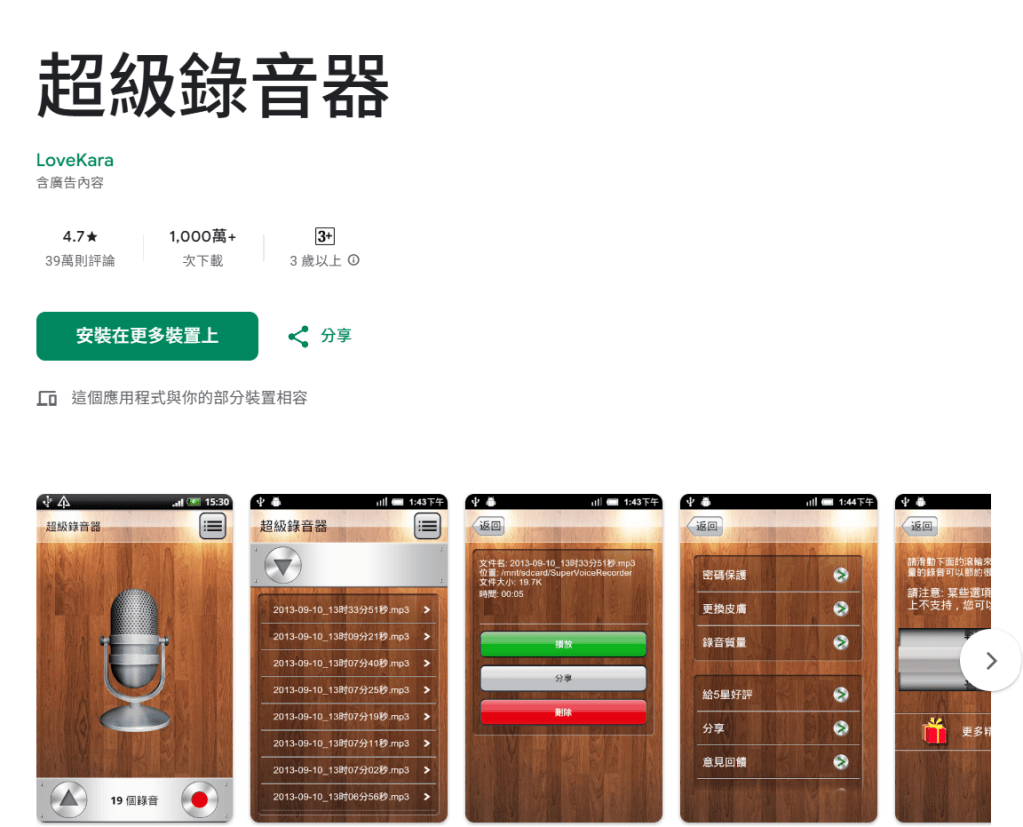
完成全文輸入輸出訓練,需要方便使用的錄音APP。如果沒有熟悉的內建錄音APP可選用,<超級錄音器> 簡單好用,而且可以直接輸出MP3聲音檔佔用空間較小。
錄音完成別忘記輸入檔名(作業頁面左上角的,例如I3STC4),後按下分享鍵,然後選擇雲端資料夾,Google或Dropbox(新增),接著別忘記到雲端資料夾去確認是否放入正確的位置,務必確認放入共享資料夾,而不是自己的雲端資料夾。如要下載錄音APP,在Google Play 輸入超級錄音器(點選此連結)。
學員錄音完成後請記得輸入作業檔名,或到雲端資料夾更改成作業檔名。
為方便英語教練訂正寫作作業,學員繳交寫作WT筆譯或TW主題寫作,請以圖片檔上傳到雲端共用資料夾。如果學員在電腦上以Word作業,可利用文件線上轉圖片檔(點選此連結)。
2. on the other hand…意思可能跟你想的不同
(on one hand)…on the other hand是however的意思,所以這是「雖然…但是…」的意思,用以表達兩個不同事實或相反想法。例如:
- On one hand, the machine is convenient, but on the other hand, it’s time-consuming.
= The machine is convenient, but on the other hand, it’s time-consuming.
那機器雖然方便卻很費時。 - On one hand, he is obedient to his wife; on the other hand, he treats parents badly.
雖然他對太太很服從,但是卻對孩子父母很壞。
for one thing…for another thing「一方面是…另一面則是…」則是表達兩個互相支持的想法如果要。例如:
- For one thing, it is too expensive; for another, it is of poor quality.
= It is too expensive and it is of poor quality.
一方面這機器太貴了,再說,它的品質也不好。 - I never go abroad because for one thing, I don’t like flying, and for another, I can’t afford it.
我從未出國,因為首先,我不喜歡坐飛機;再說,我也買不起機票。
注意下方的句子的正確表達模式。
✖On one hand, the machine is convenient. One the other hand, it works fast.
那機器一方面方便,一方面運作快速。
✔For one thing, the machine is convenient. For another (thing), it works really fast.
那機器一方面方便,一方面又能運作快速。
類似表達:
(in) one way or another以某種方式達成
We’ll get out of this mess (in) one way or another.我們總會想出某個辦法擺脫這種困境。
學到了還要用到才算學會,超凡遠距全文輸入輸出訓練讓你學到用到。

最狂英語夢:帶學英文的孩子上演講台!
我們的孩子花那麼長的時間學習英文,他們也許不留學或移民,但對於他們而言,學習英文最好的成果不就是能夠站在眾人面前用英文做一場演講嗎?不留學不移民,中學英文單字量,五個簡單步驟,你可以完成一場英語演說。

🛫旅行國外常用英文!
BN彙整出在國外旅遊時最有可能用到的英文句子,在非英語系國家也適用。
但與人溝通時經常有不預期情況發生,臨時學一兩句是不得以,最好平時規律修練。BN全文說寫訓練幫你具備應付各種狀況的能力。瞭解訓練課程?請聯絡我們由專人跟您聯絡。
- Where is the (tourist) information center, please? 請問遊客中心在哪裡?
- Where is the restroom? 請問化妝室在哪裡?
- Is there any convenience store around? 請問附近有便利超商嗎?
- Where could I take a sightseeing bus? 請問在哪裡可以搭城市觀光巴士?
- Where could I take the bus to…? 請問前往…的公車在哪裡搭?
- Is this train for/bus for…? 請問這班火車是前往…?
- How do I transfer from (subway) to (bus)? 請問我要如何轉車?
- Could I get a subway map? 請問這裡可以拿捷運圖?
- City tour map? 請問這可以拿城市觀光地圖嗎?
- I need 4 round-trip tickets to… for two adults and two children.
我要買四張來回車票,兩個大人兩個小孩。 - Is the Wi-fi free? Can I have the password?
請問這裡有免費供應網路嗎? 請問密碼是什麼? - I’d like to have a non-smoking seat, please. 我需要非吸煙區。
- How much is it? 請問這多少錢?
- Could you give me a discount? 請問有提供折扣嗎?
- I’d like this. (I’d like one of these.) 我想要買這個。
- Can I try this on? Where can I try it on? 我可以試穿嗎?我在哪裡可以試穿?
- Do you speak English? 你會說英文嗎?
- My English is not good. I hope I make myself clear enough.
我的英文不夠好,希望我說得夠清楚。 - Could you speak more slowly? 能不能請你講話慢一點?
- Where can I find someone for help? 請問哪裡有人可以幫我?
- Where can I find a pharmacy? 請問哪裡有藥房?
- I am allergic to… 我對… (藥物或食物) 過敏。
- Where can I find a drugstore? 請問哪裡有藥妝店?
- Where can I find a local food restaurant? 請問在哪裡有本地餐廳?
- Do you have any recommendations? 請問你推薦什麼?
- Do you have any vegetarian dishes? 請問這裡有素食嗎?
- Do you have beef-free dishes? 請問這裡有不含牛肉的餐嗎?
- I have a reservation. It is under (name). 我有訂位,訂位人名字是…
- Could we have the menu, please? 請你拿菜單給我好嗎?
- May I have some water (tissue), please? 我需要一些水(紙巾),謝謝。
- Excuse me! I think this isn’t what I ordered. 抱歉,我想這不是我點的餐。
- Could I have the check (bill)? 我要買單,請給我帳單好嗎?
- Do you take credit cards? 可以使用信用卡嗎?
- Could you call me a taxi? 可以幫我叫計程車嗎?
- Could you take a picture of us, please? 請問可以幫我們拍照嗎?
- Is there any advance deposit for my reservation?
預留(飯店或餐廳等)需要預付訂金嗎? - May I get a refund if I find that I don’t need it?
如果我發現自己不需要這商品,可以退款嗎? - Where is the reception counter? 服務櫃檯在哪裡?
- Can you please ask housekeeping to bring us two more bath towels?
請房務部多給我兩條浴巾。 - Can you send a room attendant to room 1510 right away, please?
請你們立即派遣一位清潔人員到1510號房?

當中學生這樣學英文 – 高一
🎈影片呈現高一學員閱讀有關馬里亞內海溝的英文文章後,製作成大綱,按照大綱練習演說,以英文介紹馬里亞納海溝。這是真實作業情形,學員仍有進步空間,但是不斷做這樣的創造性輸出,掙扎難免但必能有效進步。
在EFL台灣<全文輸入輸出訓練>能提升使用英文準確性提升考試成績,也能培養演說能力提升未來競爭力。
drink soup很OK,不要僵化文字!
我常看到英語達人或網紅告訴我們某個表達是錯的,但真是如此嗎?我不只一次看到這些人說「喝湯不可以說drink soup,要不然就GG了!」或「 maybe只能放在句首 」或「修飾人時才用過去分詞當形容詞 」這類的言詞。這種沒有探討文字內涵,不斷以訛傳訛的說法不算少。建議大家一定要內化文字、建立語感,才具備靈活的全文說寫能力。
想像一碗雞湯,我們「喝」湯「吃」雞肉有何不對??? We drank the soup and ate the chicken.不是嗎? 或者一碗雞湯,當湯裡面的雞肉吃完了,我們當然只能 drink剩下的湯,或當裡面的湯喝完了,我們當然只能eat剩下的雞肉。
只是我們的文化把這整件事情說成「喝湯」,總不能說吃喝湯。英語人士說成”eat soup”,但是他們純喝湯仍然是”drink”、然後”eat”湯裡的雞肉。這兩個字的基本定義就是eat是指經由咀嚼將食物送進胃部,drink則是不需經過咀嚼,但基本定義是不可能涵蓋所有可能性的,只要文法正確,字的選擇代表的是講者或作者的想法,我們需要思考才能體會。
下方網頁中也有各地人士針對這個議題做探討: Do you eat or drink soup? It is now the cause of much debate around the office.
⭐文字在字典中的定義是狹義,不可能涵蓋所有可能性(廣義)!語言能力好是因為能廣義活用文字,讓受眾產生想像,觸動人們的內心世界,但關鍵在「使用」英語,也就是說寫輸出想法跟他人分享。台灣的確缺乏英語說寫環境,不像新加坡或吉隆坡,但是我們可以自己創造環境,超凡遠距的全文輸入輸出訓練就是能讓學習者大量全文說寫的訓練課程,訓練過程單純有效率,雖有挑戰,但保證有效果。

意外的翻紅機會
An Unexpected Opportunity
Key Words
- unexpected不預期的
- opportunity機會
- indifference冷漠
- embarrassment丟臉;困窘
- manufacturer製造者
You must prepare yourself for any unexpected opportunity that is upcoming. The following story is just that.
“United Breaks Guitars" is a song, a protest song by Canadian musician Dave Carroll. The song is a real-life experience of how his guitar was broken during a flight trip on United Airlines in 2008 and how the airline showed complete indifference toward his complaint.
The song became an immediate hit upon its release in July 2009 and it also became an embarrassment for the airline.
According to a report, within 4 weeks of the video being posted online, the stock price of United Airlines fell 10%.
Interestingly, Dave Carroll and the guitar manufacturer Taylor became famous almost overnight. This story inspires a lot of people who are waiting for an opportunity to build their stage.
Now business owners must be careful. A guy looking for an opportunity could be around.
You only have to…in order to… 你只需要…就能夠…
簡潔有力的「給建議或指示」的方式,也可以將You改成We,變成帶動團體一起行動的句子,或將only改成simply或其他副詞。
寫作時也可用這樣的句子,可以寫出簡單有力的論點,不必背一些參考書整理的句子。例如想表達環保問題的解決方案,就可以說:
We only have change our lifestyle in order to improve air quality.
(我們只需要改變生活習慣就能夠改善空氣品質。)
更多例句:
- You only have to ask your manager in order to know what you have to do next.
- You only have to call Mandy in order to know whether she will come or not.
- We only have to consult someone in order to get some advice.
- We only have to ask the teacher in order to solve the problem.

