Job、profession、occupation、vocation 和career😣!

這四個單字都和工作有關,究竟甚麼時機該用哪一個字呢?我們先讀下面的小短文。

I was a teacher 10 years ago. I was trained to be a teacher in college. This is to say my profession is a teacher. Teaching is a good job. However, it’s not my vocation. I strongly wanted to be a writer. I enjoy writing down my ideas and sharing the ideas with others. Therefore, I changed my career. My occupation is a writer now.

我十年前是老師,我在大學的訓練就是要當老師,也就是說我的專業是老師,教書是好工作,然而那不是值得我全心奉獻做的事情,我強烈地想要成為作家,我享受於寫下自己的想法,然後跟他人分享。因此,我改變了職業生涯,現在我的職業是作家。

說明:

job: 就是你用工作來換取收入及維持生計所做的事情。

vocation: (認為某種職業適合自己的)使命感,覺得值得投入時間金錢做的事情。

career: 是指在一個行業裡面,在相同或不同的地方和職務的所有工作經歷。

profession: 有專業技術及文憑的工作,例如律師、醫生、會計師、老師。

occupation: 佔據大量時間的工作而獲得報酬的工作。

現在再來複習一次:

I was a teacher 10 years ago. I was trained to be a teacher in college. This is to say my profession is a teacher. Teaching is a good job. However, it’s not my vocation. I strongly wanted to be a writer. I enjoy writing down my ideas and share the ideas with others. Therefore, I changed my career. My occupation is a writer now.
👄嘴巴發聲的英文動詞

有關五官及表情的表達愈細膩就愈能觸動人心,但以我們非以英文為母語的人而言,學習英文是為了提升職場競爭力,應該慢慢從閱讀當中去領略,或將所學慢慢應用的全文的說寫表達中,沒有頻繁地做全文說寫的表達,記憶再多單詞也沒有意義。

  1. To breathe 呼吸
    We breathe in deeply while doing yoga.
  1. To cough咳嗽
    He started to cough once he had a cold .
  1. To laugh笑出聲音
    They were laughing as soon as they were told a joke.
  1. To scream (因恐懼、興奮、憤怒或其他強烈情緒而)尖叫
    She screamed when she saw the mouse in the kitchen.
  1. To sigh嘆氣
    She sighed when she finally found her keys.
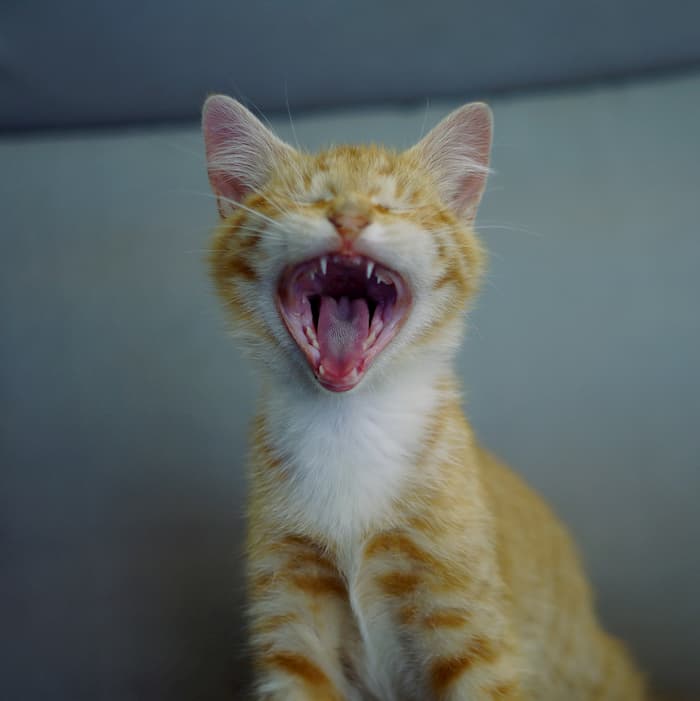
  1. To yawn打呵欠
    I could see my students yawning, so I knew the lesson was boring
  1. whisper發出氣音
    They were whispering when the professor started his lecture.
  1. To shout/ To yell 吼叫;極大聲說話
    You don’t have to shout because I can hear you now.
  1. To mumble 含糊地說
    My wife mumbled something about housework.
  1. To mutter 咕噥;喃喃自語
    Laurence muttered something about his wife and left.
  1. To whistle 吹口哨
    Mary whistled happily while she was working.
  1. To smack雙脣快速閉合發出聲音(來表示滿意)
    “I love chocolate cake," said Susannah, smacking her lips.
  1. To blow a raspberry 伸出舌頭並吹氣的無禮噓聲
    The boy turned and blew a raspberry at the teacher before running off.
  1. To gag作嘔的聲音
    She gagged on a piece of hard bread.
  1. To weep流淚的哭泣聲
    We all wept in silence for the deprived children.
  1. To burp/ To belch/ To  hiccup打嗝
    The baby burped after being fed.
    He hiccupped as soon as he started eating.
  1. To hum哼著歌曲的聲音
    They were humming happily along with the music.
  1. To groan(表示痛苦的)呻吟聲
    She groaned when her mother asked her to do the shopping.
  1. To giggle咯咯地笑,傻笑
    The jokes had them giggle like little girls all evening.
  1. To pant/ To gasp/ To puff喘氣,倒抽氣
    When he arrived, he was panting because he ran all the way to school.
  1. To sniff聞;鼻子用力吸
    The dog sniffed around the park, searching for a nice scent.
  1. To sneeze打噴嚏
    When you sneeze in America, people say: “God bless you!"
  1. To snore打鼾
    He sometimes snores and when he snores you can’ stand the sound.
  1. To slurp發出吃喝聲
    She slurped loudly as she drank her coffee.

4 英文基本聽音拼字規則

聽音拼字能力
85%的英文單字是發音跟拼字吻合的,能夠聽音拼字,英語字彙量才能夠快速增加。首先學習者要先建立認字發音能力,接著再練習聽音拼字。認字發音就是自然發音的觀念:也就是看到字母或字組就能發出聲音。

注意兩個原則:

  1. 子音容易相處:單字裡的子音發音變化非常規律,通常聲音與拚字吻合,只要注意特殊組合,例如ch、tion、ci、gi、ph…或特定的子音發音,例如y、j、q、w…等,這另外在特殊子音發音的教學單元中說明。
  2. 母音容易搞混:母音的發音有令人混淆的長短母音,會隨著環境變化改變。一個長母音就是兩個短母音的結合,例如[ e ] = [ ɛɪ ] ,所以當我們聽到 [fet],也就是 [fɛɪk],就會拼成fake,而不是fat [fæt]。

發音通則,利用這樣的通則反推回去拼字

  1. 每一個單字至少有一個音節,而每一個音節至少有一個母音字母,母音字母為a/e/i/o/u/y代表的聲音。所以拼字時要記得音節裡的母音。
  2. 母音+子音+e:碰到這樣的拼字組合,字尾 e 不發音且前方母音為長母音。其他例子還有face、delete、bike、joke、tube…,碰到這樣的發音條件,該母音發出如字母本身的聲音a、e、i、o、u ,可以反推到拼字能力上,能辨識是否拚字最後有沒有e,例如develop從發音可以辨識沒有字尾e,但envelope則因為o是發出字母本身的長母音,所以有e。
  3. 母音+母音:碰到這樣的拼字組合,例如 meat、toe、suit、road… 也是發長母音。但是有兩個母音在一起,要發那個音呢?第一個字母發長音,第二個不發音。
  4. 單獨母音字母出現在音節中:例如 cat、bit、clock…通常為短母音。短母音的發音跟字母本身的發音不同,例如bit [bɪt]的母音發音與字母發音不同,bet [bɛt] 的母音發音與字母發音不同,這是初學者長出現的錯誤,會發出常母音,也就是字母本身的發音。
  5. 字母y可以是子音,也可以是母音,拼字中只有y作為母音的單字不多,包括cry、dry、fry、try、fly、sly…當y是唯一母音時,y的發音為 [aɪ]。
  6. 字母c的發音可能是[k]或[s]。在ce、ci、或cy的組合,例如cent、city、cycle,c的發音為[s],其他的組合為[k],例如cat、clip。
  7. 字母g的發音可能是[g] 或 [dʒ]。在ge、gi、或gy的組合,例如gem、giant、gym,g的發音為[dʒ],其他的組合為[g],例如garden、glad。
  8. [dʒ]的聲音若是在短母音後出現,則拼字為dge,例如edge、budge。
  9. 字母q的後面一定接著u,例如queen、quite、ubiquitous。
  10. 子音字母f、l、s在下列條件下會重複出現:只有一個音節的單字及只有一個母音的單字的字尾,例如stiff、spell、pass、cliff…等。
  11. 如果一個單字的最後字母是[k]的聲音,拼字可能是ck或k。在短母音後面則拼成ck,例如sick、pack。其他組合則是k,例如milk。
  12. kin [kɪn]與kind [kaɪnd]的母音發音不同,i或o在兩個子音前方會發長母音,例如kind及sold。
  13.  單字不會以v或j做為結尾,v後面會加上不發音的e,例如have、weave。

單字量要大量提升,還要大量全文閱讀及大量口說。閱讀才能常看到單字,愈常看到就愈印象深刻;愈常說就愈能從實際應用更強化單字記憶,才能將聲音、拼字、及字義結合。持續保有閱讀習慣很重要,所以要讓閱讀不枯燥乏味,就要進行以獲取資訊為目的的閱讀,如此不但能記得單字,更能擴大背景知識,而且語境中真正掌控單字的字義。超凡遠距全文輸入輸出訓練是讓學習者能將所學應用於實用中的訓練課程。

常見發音失誤

以下列出超凡英語教練在訂正學員作業時經常發現的發音問題:

🔸[m]的音是超常見失誤,看到字母 m,上下嘴唇碰觸發鼻音,錯誤在於嘴唇沒有碰 觸變成[n]的聲音。可以利用這個句子練習:I am sometimes their mom.

🔸 一些動詞時態的聲音改變,例如bite/bitten、write/written、drive/driven、hide/hidden…常造成學習者發音錯誤,這些動詞的原形符合(母音+子音+e)的條件,所以字尾 e 不發音,前方母音為長母音,也就是字母的發音,但是其過去分詞pp的拼字組合並不符合(母音+子音+e)的條件,所以通常變成短母音。

🔸 過去式-ed的發音只有-ted及-ded才發出[ɪd]的音,其他的組合則只有[t]或[d]。會發這個聲音時都是輕音節,所以嘴型做出來就好,不要刻意發出很大聲音。

🔸長母音[e]=[ɛɪ]發音成短母音[æ],例如place [ plɛɪs ] 變成plas [ plæs ],take變成tak…。

🔸短母音發音成長母音,也就是字母本身的聲音,例如mop [mɑp]變成mope [mop]。

🔸母音 u 單獨出現於兩個子音中時常發[ʌ]的音,而不是[ju]或[ʊ],例如tub、cub。

🔸結尾的子音常漏掉沒發音,例如because發音成becau。

🔸n及ng結尾的聲音沒又分清楚,[n]是舌尖頂在上排牙齒後方發鼻音,-ng [ŋ]是舌尖頂在下排牙齒後方發鼻音。但多數人都能不經意地自然轉換。

🔸輕音節的母音通常發弱母音,也就是[ə]或[ɪ]或跟 -r 在一起時的母音[ɚ]。許多學員仍發成重音節母音的聲音。例如common [ ˈkɑmən ] 不是 [ ˈkɑmɑn ]。

🔸整句輸出時流暢度不足,會用一個字一個單位的中文輸出模式發聲,應該盡可能將句子中的單字連成一個單位輸出,點此聽說明

4-1 如何分音節及決定重音節

🎯聲音節拍確立:

找出母音來分割音節,每個音節一個節拍,例如remember有三個母音(母音e出現三次),所以發音時有三個節拍,聲音的長度就像唱歌時打三個拍子。但是如果拼字最後一個字母是e則不發音,不發音就不算節拍。例如crocodile總共有四個母音,但是第四個母音是字尾e,碰到字尾 e 不發音,而且字尾e的前一個音節,也就是 i 通常變成長母音,長母音就是發出字母本身的聲音,也就是crocodile有三個音節,i 的發音是[aɪ]。看看常見通則:

  1. 規則一:雙音節名詞單字的重音通常在第一音節,例如export出口、content內容、conflict 衝突、decrease減少、record唱片。同樣這些單字若是當動詞,重音則是在第二音節。大多數雙音節動詞的重音在第二音節。
  2. 規則二:大多數雙音節單字形容詞,重音通常在第一音節,例如happy快樂的、cheerful愉快的、charming迷人的、ample足夠的、dizzy眩暈的 。
  3. 規則三:單字的字尾若是下列組合ic、ics、ion、ious、ial、ian,重音在倒數第二音節。例如,photographic照相的、mathematics數學、education教育、decision決定、initial起始的、official官方的、musician音樂家、magician魔術師、democratic民主的。
  4. 規則四:單字的字尾若是下列組合-cal 、…y (cy、ty、gy、phy),重音在倒數第三音節。例如,political政治的、 chemical化學的、alphabetical字母的、geological地質的、university大學、biology生物學、photography攝影、democracy民主(可以跟規則三的democratic比較)。
  5. 規則五:複合字的重音規則,若是名詞則重音在前字,若是形容詞或動詞則重音在後字。重音在前面字的例子,birthday生日、greenhouse溫室、schoolboy學童、homework家庭作業。 重音後面字的例子,bad-tempered易怒的、old-fashioned過時的、understand瞭解、overflow溢出。

🎯如果無法運用上方的規則判斷重音節,可以利用下列自然的方式判斷。

利用Do1、Re2、Mi3 三個音階來判斷,Mi3為高音階,也就是重音節。以crocodile為例子,有三個音節,也就是三個節拍,將重音節分配到三個節拍會有三種發音可能,也就是321、131、123,通常能夠感覺到321是比較自然的發音。這是基本概念,並不是真的像音階般的音準,只是呈現高低音的流轉。詳細說明如下:

  1. 兩個音節的單字有31或 13兩種可能,例如monkey (31)。
  2. 三個音節的單字有321、131、123三種可能,例如elephant (321)。
  3. 四個音節的單字通常為(1321)、(1231)兩種可能,因為四個節拍時的重音節比較不可能出現在第一及第四音節,例如activity (1321)、domination (1231)。也就是五個音節單字的重音節通常出現在中間的三個音節,比較不可能出現在第一及第五音節,例如examination (12131)、satisfactory (21321)。

母音發音通則

I. 學習發音的正確觀念

  1. 「傾聽」是學好發音第一關鍵,「演說訓練」則是第二關鍵。而我們的困難是通常都只聽而不說,因為沒有說的對象。聽了卻不必說,會讓我們常常分心,無法傾聽。全文輸入輸出訓練,就是來解決這個問題。因為只練習音標發音不夠,音標單獨發聲時也許能分辨不同,但是整個單字快速發音時仍常難分辨,例如fool及full,但能掌控語境的整體含意就不易誤解,例如 I ate too much. I am full。所以聽力的焦點要放在整個句子上,而不是個別單字上。全文輸入輸出訓練可以做為輔助。
  2. 發音與單字量:發音跟拼字關係密切,85%的英文單字的發音與拼字是吻合的,所以發音正確是順利拼字的要件,另外15%雖然不完全吻合,但發音與拼字仍只是一兩個字母的差異,靠大量閱讀增加單字出現頻率,就可以從在視覺上發現差異來完成拚字。

II. 母音發音機制建立:
下列發音說明都是通則,會有例外。建立機制仍需大量演說。

  1. 子音容易相處:單字裡的子音發音變化非常規律,通常聲音與拚字吻合,只要注意特殊組合,例如ch、tion、ci、gi、ph…或特定的子音發音,例如y、j、q、w…等,這另外在特殊子音的教學單元中說明。
  2. 母音容易搞混:母音的發音有令人混淆的長短母音,會隨著環境變化改變。一個長母音就是兩個短母音的結合,例如[ e ] = [ ɛɪ ] ,所以當我們聽到 [fet],也就是 [fɛɪk],就會拼成fake,而不是fat [fæt]。以下為常見的母音發音規則。
  3. 母音+子音+e:碰到這樣的拼字組合,字尾 e 不發音,而前方的母音為長母音,例如bite [ baɪt ],但是bit [bɪt]。其他例子還有face、delete、bike、joke、tube…,碰到這樣的發音條件,該母音發出如字母的發音a/e/i/o/u 。
  4. 母音+母音:碰到這樣的拼字組合,例如 meat、toe、suit、road… 也是發長母音。但是有兩個母音在一起,要發那個聲音呢?將第一個字母發長音,第二個不發音。
  5. 單獨母音字母出現在音節中:例如 cat、bit、clock…通常為短母音。短母音的發音跟字母本身的發音不同,例如,bit [bɪt]的母音發音與字母發音不同,bite [baɪt ]母音 i 的發音與字母發音相同。

為何太平洋島國轉向中國

Why Pacific Island Nations Are Turning To China

Key Words

  1. administration 政府
  2. vulnerable 易受傷害的
  3. confront 對抗
  4. vow 宣誓
  5. diplomatic 外交
  6. renormalize 關係正常化

The Trump administration formally began pulling the United States out of the 2015 Paris Agreement. That is a big concern for some of the world’s most vulnerable countries, including the island nations of the Pacific.

Pacific island nations consider themselves on the front lines of climate change and they had hoped the U.S. to help confront the rising seas around them. Now some of those nations are turning to China for help. Beijing has vowed to stay in the Paris Climate Agreement. The diplomatic restructuring in the region has opened up a new front in the battle for influence between China and the U.S.

The Solomon Islands decided in September to downgrade its ties with Taiwan and renormalize diplomatic relations with Beijing. Taiwan then ended its relationship with the Solomons. Economic reasons were a driver of the Solomons’ decision, but climate change was a key factor in the decision to switch. Climate change is about the present and future.

美國川普政府正式退出撤離 2015年的巴黎氣候協定,對大多數最易受天候傷害的國家而言,包括太平洋的島國,是相當令人憂慮的。

太平洋島國認為自己是在抗氣候變遷衝擊的最前線,原本希望美國政府能夠幫助他們 對抗海平面上升所帶來的災難,現在部分這些國家轉向中國求援,而北京政府已經宣誓要持續待在巴黎協定中,而在整個太平洋地區中國跟美國之間的角力,這樣的外交重組開啟了新的戰線。

所羅門群島在九月的時候決定要終止跟台灣的外交關係,並且將其與北京政權的外交關係正常化,而台灣也決定要中止根所門群島的正式關係。經濟因素也許是所羅門群島做這個決定的主要的推手,但是氣候變遷才是轉向中國的真正因素。氣候變遷可是攸關現在及未來。

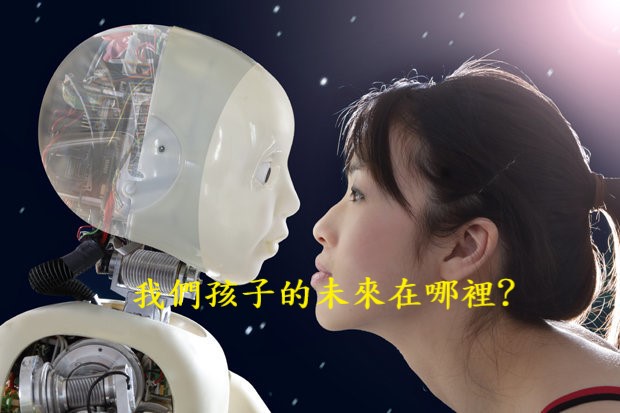
我們孩子的未來在哪裡?

Where will be the place of our children in the future?

Key Words:

  1. outstrip (程度或成就上)超過
  2. clock需時;達到一個時間
  3. intervention 干涉
  4. autonomous 自動化的
  5. fabricate捏造,虛構
  6. exaggerate誇張說法

In one or two decades, AI will outstrip many of the abilities we believe make us different from animals and machines.

In 2016, Google’s self-driving cars clocked 635,868 miles (1,023,330km), and required human intervention 124 times. That is one human intervention about every 5,000 miles (8,047km) of autonomous driving. What makes the figure impressive is, in 2015, it was 4 interventions every 5,000 miles. In order words, autonomous driving had made a 400% improvement.

Today, self-driving cars may not be a norm. It is already a reality technically.

You probably think “how nice!” We can take a nap on our way to office because AI can drive for us. But what about playing chess! A computer has beat the human chess champion a few times. And the computer is now identifying tumor for doctors and cooking recipes for chefs. AI is even helping our kids learn English😣.

I wonder what my daughters will be doing in the future. They will never solve a math question quicker. They will never lift an object heavier. They will never drive better. They are human, so they can never become the best chess player. And language, the best thing I pass down to them through telling them many good stories, is no more their advantage since real-time machine translation has made huge improvement. They are likely to lose every battle against AI, aren’t they?

No way! What exactly makes humans special? We dream, imagine, rethink, and even regret! We pretend, fabricate, exaggerate, and go crazy. That’s right! We are different from AI because we create.

Well, I am less worried about my daughters now! I am more worried about those people who learn English with AI apps. They don’t know they are actually helping AI learn English and the AI machine will take the place of human English users in return.

🐭老鼠會

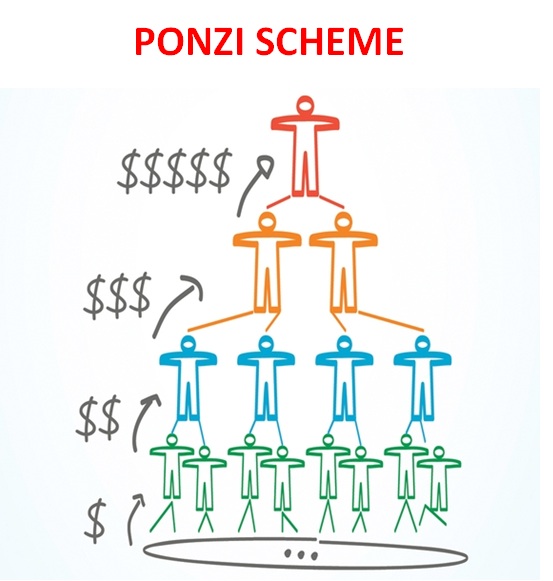
Ponzi Scheme

Key Words

  1. scheme陰謀
  2. lure引誘
  3. maintain 保持
  4. illusion 假象;幻想
  5. contribute貢獻
  6. asset資產
  7. notorious聲名狼藉的

老鼠會這個名稱代表一個詐騙手法,這個詐騙手法在英文成為Ponzi Scheme,而Ponzi就是發名這個詐騙手法的人。

龐氏騙局是一種詐騙手法,引誘投資客,同時讓更早期的投資客能夠獲得利潤。然而提供這些利潤的資金是來自於比較晚期的投資客。

這樣的詐騙手法導致受害者相信,他們所獲得的利潤是來自於產品的銷售,或者其他正常的管道。受害者不知道其他的投資者才是資金的來源,以及他們利潤的來源。

龐氏騙局能夠造成一種企業賺錢的假象。只要有新的投資客挹注新資金,加上大部分投資者不要求全額退款,而且仍然相信他們被告知擁有的不存在資產。

這種騙局是以1920年代聲名狼藉的Charles Ponzi 命名的,因為他就是用的這樣子的手法進行詐騙。

Ponzi scheme or a Ponzi game is a form of fraud that lures investors and pays profits to earlier investors with funds from more recent investors. 

The scheme leads victims to believe that profits are coming from product sales or other means, and they are not aware that other investors are the source of funds, or their profits. A Ponzi scheme can maintain the illusion of a money-making business as long as new investors contribute new funds, and as long as most of the investors do not demand full repayment and still believe in the non-existent assets they are told to own.

The scheme is named after Charles Ponzi, who became notorious for using the technique in the 1920s.

🌳說故事的樹

Trees That Tell Stories

Sacred trees are not only found in Taiwan. The book Wise Trees show you the photoes of sacred trees all around the world. Photographers Len Jenshel and Diane Cook spent 3 years making Wise Trees.

The first photographs were the blossoming “Survivor Tree." The tree had been pulled out of the ruins of the World Trade Center weeks after the terrorist attacks on September 11, 2001. The tree was nursed back to health and re-planted a decade later at what is now the National September 11 Memorial.

In Varanasi, India, a sweet shopwas built around a tree considered too holy to cut down. People there use the tree’s leaves to repel insects, the sap for stomach pain and the twigs to brush their teeth.

In Naunde, Mozambique, a huge mango tree serves as the village center. Under its branches, people tell stories, make marriage arrangements and resolve land disputes.

At a temple in Varanasi, India, people pray to the monkey god Hanuman, who is believed to be embodied in this tree. Devotees leave offerings, rub vermilion paste into the tree’s bark and wrap thread around the tree’s base.

In West Bali, a road runs straight through a sacred banyan tree. Engineers insisted the land the tree grew on was the best place for the road, so worshippers prayed for forgiveness for the giant hole.

In the picture, Mexican children admire this cypress on a school field trip. The tree is said to be the widest (138 feet in circumference) and oldest (1,200 to 3,000 years) of its kind. Authorities diverted a major highway to spare the tree and dug a deeper well because of disappearing swampland.

To remember the children killed at this tree by Cambodia’s Khmer Rouge, visitors hang bracelets on the bark — woven threads, embroidered cloth, leather and beads.

This 170-foot-tall tree is found in the remote Forest of New Zealand and is sacred to the Maori people. The tree is called “Tane Mahuta,” which is translated as Lord of the Forest.