多益說寫 TOEIC SW 1

答題範例在本頁面最底端。

Question 1-2: Read a Text Aloud

Question 1

Directions: In this part of the test, you will read aloud the text on the screen you will have 45 seconds to prepare. Then you will have 45 seconds to read the text aloud.

Question 1

In the morning, we will visit the famous Monument Tower and the Modern Art Museum. This part of the tour will end in Restaurant Row, where you will find a wide variety of French, Italian, Japanese, and Chinese restaurants. After lunch, we will visit the antique markets in the historic city of Ironhill.

Question 2

Directions: In this part of the test, you will read aloud the text on the screen you will have 45 seconds to prepare. Then you will have 45 seconds to read the text aloud.

Question 2

Why throw away old computers you don’t need anymore when you can recycle them? Here at Halstead Electronics, we’ll repair your old computers, keyboards, printers, and other used equipment. Then, we’ll offer them to schools and community organizations that can put them to good use. Just bring them to our service desk, and we’ll take it from there.

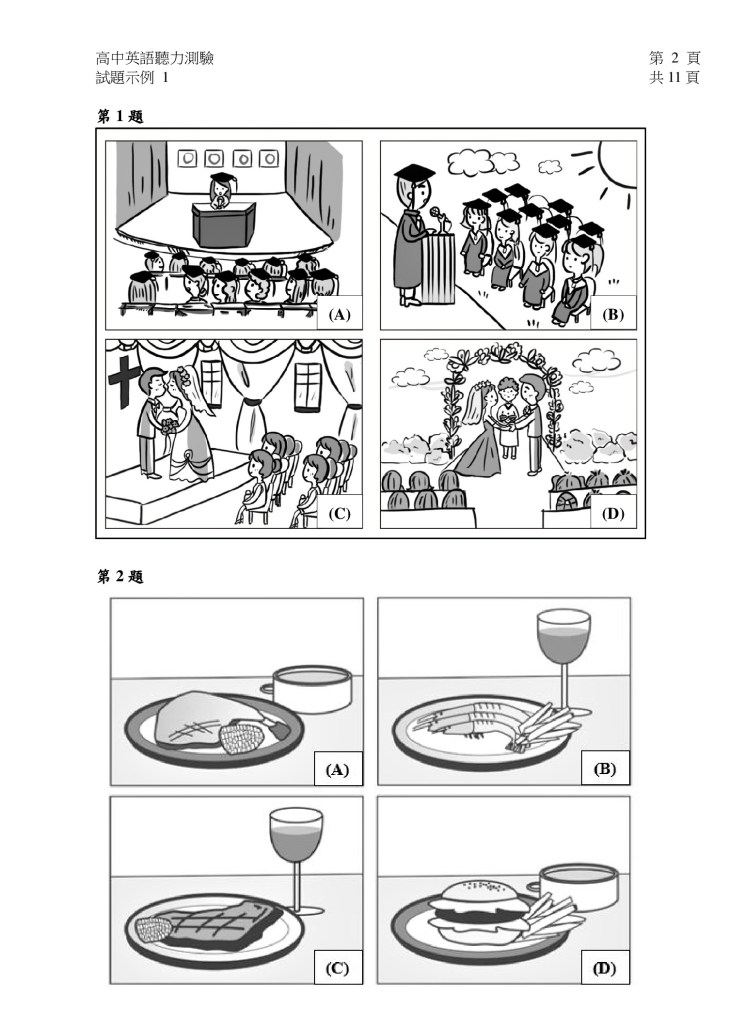
Question 3: Describe a Picture

Question 3

Directions: In this part of the test, you will describe the picture on your screen in as much detail as you can. You will have 45 seconds to prepare your response. Then you will have 45 seconds to speak about the picture.

Question 3

Question 4-6: Respond to Questions

Question 4-6

Directions: In this part of the test, you will answer three questions. For each question, begin responding immediately after you hear a beep. No preparation time is provided. You will have 15 seconds to respond to Questions 4 and 5 and 30 seconds to respond to Questions 6.

Question 4: What do you usually wear at school or work?

Question 5: In what situations do you dress casually?

Question 6: Do you think companies should allow employees to dress casually at work? Why or why not?

Question 7-9: Respond to Questions Using Information Provided

Question 7-9

Directions: In this part of the test, you will answer three questions based on the information provided. You will have 45 seconds to read the information before the questions begin for each question, begin responding immediately after you hear a beep. No additional preparation time is provided. You will have 15 seconds to respond to Questions 7 and 8 and 30 seconds to respond to Questions 9.

Staff Meeting Agenda September 5

Question 10: Propose a Solution

Question 10

Directions: In this part of the test, you will be presented with a problem and asked to propose a solution. You will have 45 seconds to prepare. Then you will have 60 seconds to speak.

          In your response, be sure to…

  • Show that you recognize the problem, and
  • Propose a way of dealing with the problem.

Question 11: Express an opinion

Question 11

Directions: In this part of the test, you will give your opinion about a specific topic. Be sure to say as much as you can in the time allowed. You will have 30 seconds to prepare. Then you will have 60 seconds to speak.

Some people prefer to learn through books. Others prefer to learn through experience. Which way do you prefer to learn and why? Use specific reasons and examples to support your opinion.

真正要在TOEIC SW拿到高分,除了必須熟悉文法,還必須擴大背景知識,平常在聽說讀寫 同時不斷地進行訓練才能達到150分以上的高分。超凡遠距全文輸入輸出訓練是幫助你聽說讀寫同時成長的訓練課程。

答題範例:

Question 1
Question 2
Question 3
Question 4
Question 5
Question 6
Question 7
Question 8
Question 9
Question 10
Question 11

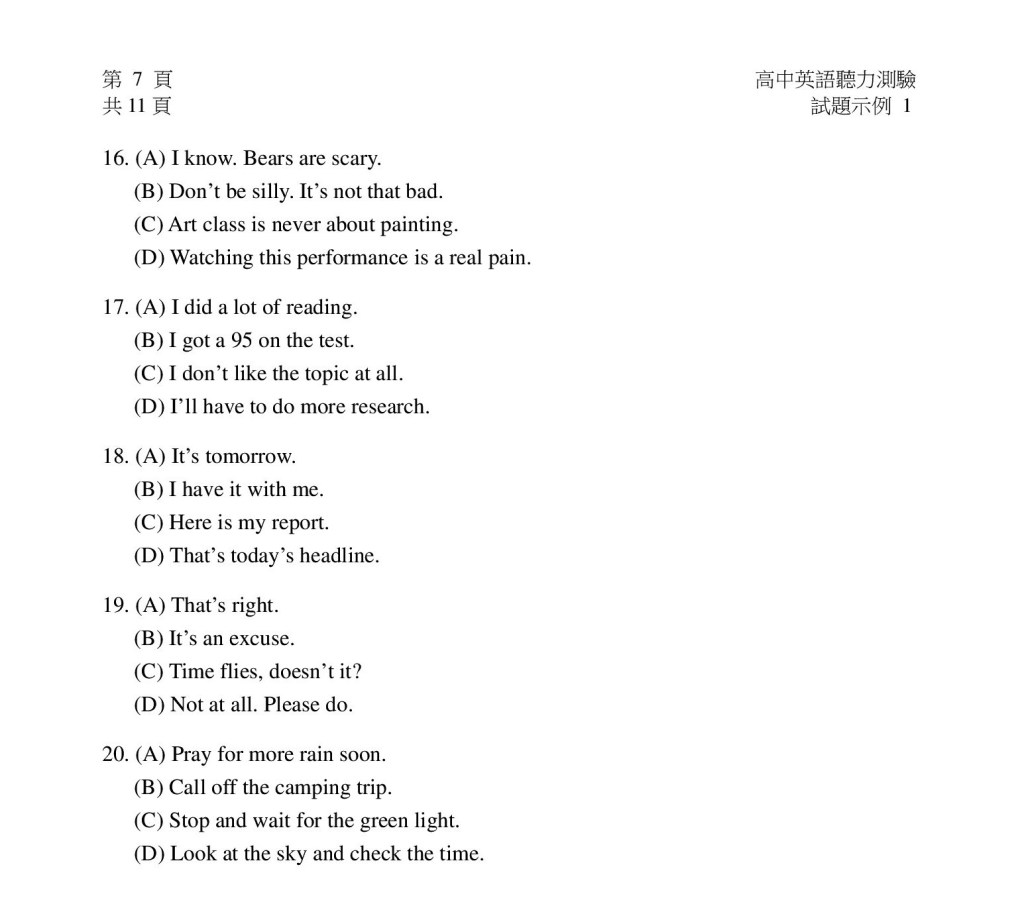
大學聯考英語聽力模擬考 1

英語聽力測驗的考題題型大同小異,大學聯考英語聽力模擬考也可作為多益或全民英檢的練習題。欲提升整體英語能力的學習者要多練習不同題型,然而要真正提升英語能力必須要聽說讀寫並進,才能擴大背景知識,迅速掌握文意,超凡遠距全文輸入輸出訓練課程是最佳選擇。

第一部分單選題
第一部分多選題
第二部分對答
第三部分簡短對話
第四部份短文聽解

大學聯考英語聽力模擬題1答案

要真正提升英語能力必須要聽說讀寫並進,才能擴大背景知識,迅速掌握文意,超凡遠距全文輸入輸出訓練課程幫您同時提升英語聽說讀寫的能力。

會考聽力測驗

聯考英語聽力模擬考也可作為多益或全民英檢的練習題。

真正提升英語能力必須要聽說讀寫並進,無論您是(1)注重口說寫作的國高中生; (2)提升競爭力的英文老師; (3)努力成為各科雙語老師; 或(4)提升專業英語說寫能力的碩博生或社會人士。請洽客製化訓練課程詢問專線

(1) 會考聽力模考 1
(2) 會考聽力模考 2
(3) 會考聽力模考 3
(4) 會考聽力模考 4
(5) 會考聽力模考 5
(6) 會考聽力模考 6
(7) 會考聽力模考 7
(8) 會考聽力模考 8
(9) 會考聽力模考 9
(10)會考聽力模考10
(11)會考聽力模考11

唯一雲端虛擬教室,將想法全文輸入輸出訓練🎯,雲端專人訂正提供改善建議。
影片線上教學平台:Youtube教學頻道
提升國際競爭力 加入超凡遠距 。

大學聯考英語聽力模擬考 4

本測驗資料來源為大學入學考試中心英語聽力示例4,可自行下載試卷。或在本頁面進行測驗,答案在頁面最底端。

第一大題單選題
第一大題多選題
第二大題對答
第三大題簡短對答
第四大題短文聽解

大學聯考英語聽力模擬題4答案
要真正提升英語能力必須要聽說讀寫並進,才能擴大背景知識,迅速掌握文意,超凡遠距全文輸入輸出訓練課程幫您同時提升英語聽說讀寫的能力。

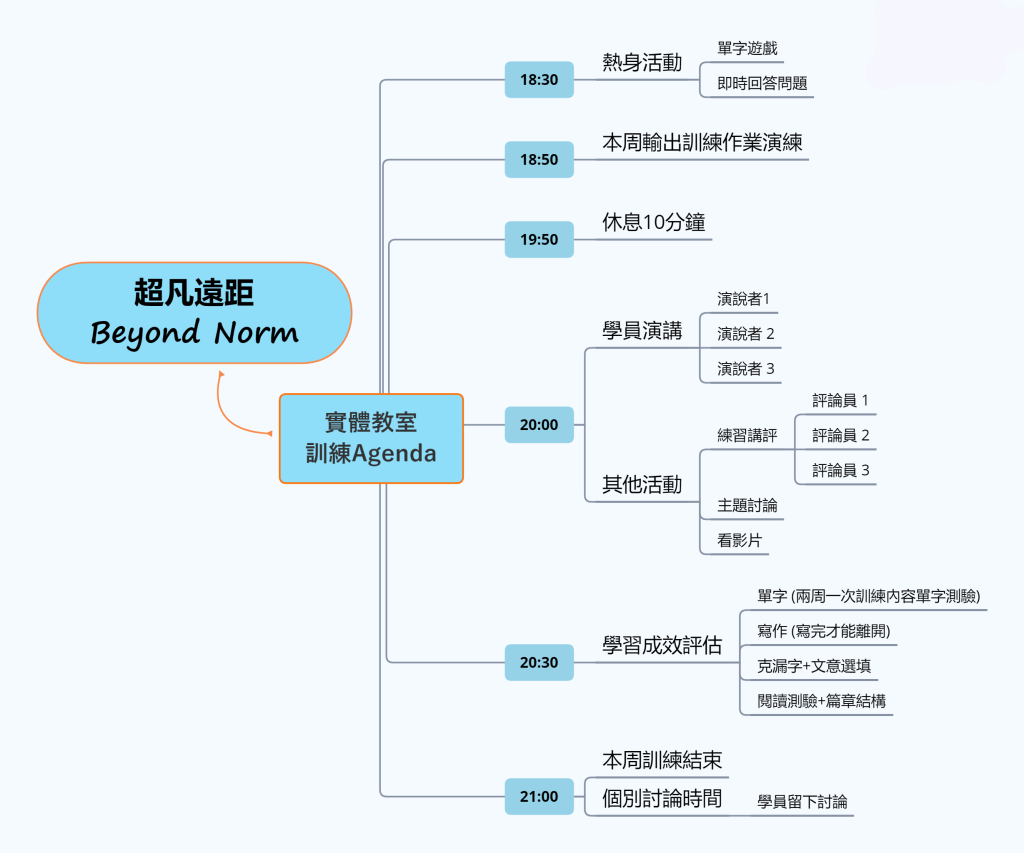
實體教室訓練Agenda

文法結構訓練需另外在官網進行50個項目的基本學習

每個台灣人都投資大量時間金錢學習英文,這是不是有效的投資?當一個大學畢業生還要花幾萬元走進英語學習機構尋求多益750及多益SW120, 這代表十幾年英語教育的時間及金錢投資是失敗的。無論是素養教育、閱讀理解、公開演說,超凡遠距都走在最前面,效率效果兼具的全文輸入輸出訓練幫助台灣人在學習英語上做聰明的投資。

🍔Q&A得來速

請在下方找到您想問的問題及回答,若找不到您的問題,請到聯絡我們頁面留言,專人會立即回覆:

1. 訓練是如何進行的?請參閱四項標準訓練作業說明

2. 除了上述四項標準訓練,是否有其他訓練項目?請參閱四項強化訓練說明

3. 如何收費

4. 課程難易如何分級?課程分級

5. 從參與訓練到完成作業的整個訓練課程作業流程

6. 可否將標準訓練及強化訓練搭配?請參閱訓練套餐

7. 如何繳交說寫作業及取得回饋?雲端訓練平台由英語教練接收作業。

12. 超凡訓練課程分類:包含實體、遠距、及企業團體。

8. 作業示範:(1) 小學五年級男生全文輸出作業實況 (2) CI:小六女生超有創意CI逐步口譯作業實況 (3) SUM:當中學生這樣學英文 (4) SUM:當大學生這樣學英文,我們獲得的是知識。

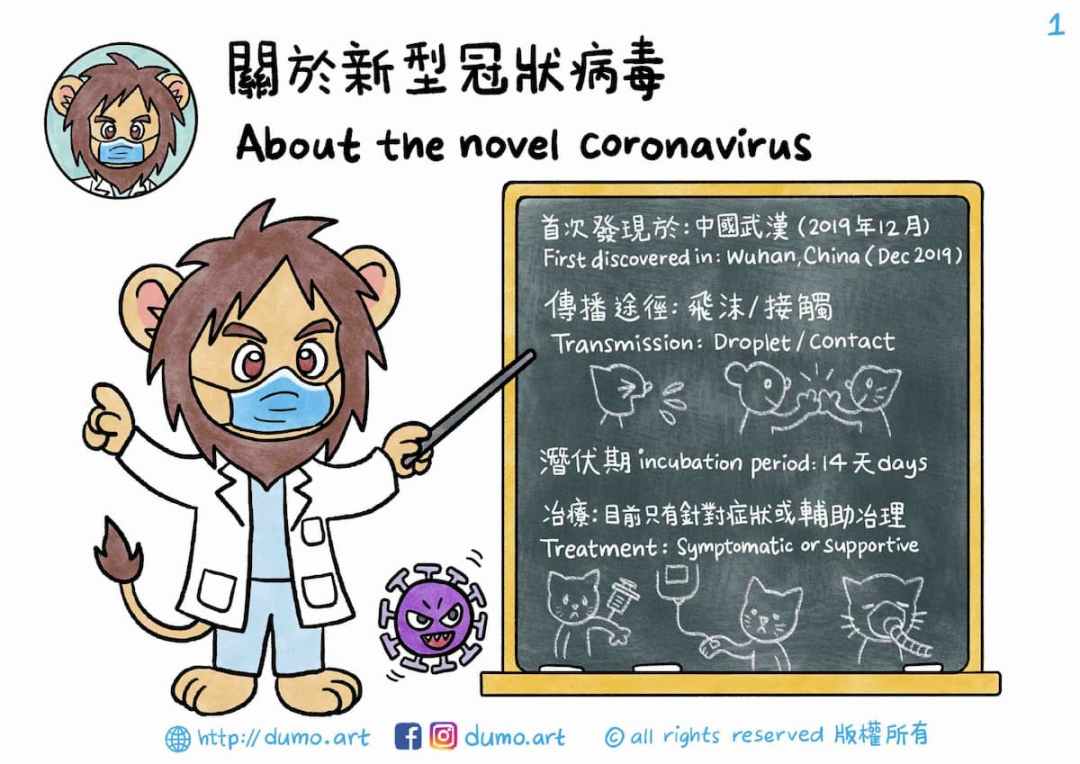
😷冠狀病毒相關單字

Vocabulary Related to Wuhan Coronavirus

  1. Coronavirus冠狀病毒
  2. Novel coronavirus新型冠狀病毒
  3. Confirmed Case確診病患
  4. Epidemic區域流行的(疾病)
  5. Pandemic大規模流行的(疾病)
  6. Emerging disease新興傳染病
  7. Animalhuman interface人畜傳染介面
  8. Reservoir宿主 (大自然或動物)
  9. Zoonotic人畜共同傳染病
  10. Transmission傳播
  11. Persontoperson Contact人對人傳染
  12. Droplet飛沫
  13. Incubation Period潛伏期
  14. Isolation隔離治療
  15. Quarantine檢疫隔離(期)
  16. Contact Tracing接觸者追蹤
  17. Screening篩檢
  18. Reproductive Rate or Reproduction Number傳染率

This world is being flooded with unfamiliar words and phrases in coverage of the newly discovered coronavirus. It’s useful to understand relevant medical terms during a time of health crisis.

Coronavirus: This term refers to a category of viruses that can cause fever, breathing difficulties, pneumonia and diarrhea. Some are potentially fatal. Others can cause a certain percentage of common colds. The name comes from the shape of the virus. Coronaviruses originate in animals and are usually not transmissible to humans. But occasionally a coronavirus mutates and can pass from animals to humans and then from human to human.

Novel coronavirus: A coronavirus strain that has not been previously identified. The Wuhan coronavirus, for example, is novel because it is a new respiratory virus that was first identified in Wuhan, China, in December 2019.

Confirmed Case: A potential case is a person who is likely to have been infected with a specific disease while a confirmed case is a person who has been proven through clinical or laboratory procedures to be infected with the specific disease.

Epidemic: A sudden increase in the number of cases of a disease in a particular geographic area, beyond the number health officials expect. An increase that occurs in a relatively small geographic area or among a small group of people may be called an “outbreak." For example, HIV/AIDS, which affects 1.2 million people in the United States, is an “epidemic." By contrast, two cases of sickness from drinking raw milk in the United States is called an “outbreak."

Pandemic: An epidemic spanning many countries and/or several continents. The difference between an outbreak, an epidemic and a pandemic can be murky and depends on the opinions of scientists and health officials.

Emerging disease: A disease that occurs in the population of a certain geographic region for the first time, or a disease that’s been present at low levels in a region but then rapidly reaches new peaks in the number of cases reported.

Animal-human interface: The points of contact between animals and humans — when people cut down forests and set up dwellings where forest animals are still prevalent, for example. Some types of diseases spread from animals to humans at this interface.

Reservoir: An animal, plant or environment in which a disease can persist for long periods of time. For example, some bats serve as a reservoir for rabies and can spread the disease by biting humans.

Zoonotic: Any disease that spreads from animals to people. The animals can range from tiny ticks to lumbering cattle.

Transmission: How a disease is transferred. This happens in different ways. There’s direct transmission — person-to-person contact and droplet spread. And there’s indirect transmission, for example, consuming contaminated food and water, getting bitten by a disease-carrying mosquito or tick or breathing in a microbe carried by dust.

Person-to-person Contact: How a disease might spread from one person to another. This can happen in many ways – by kissing, touching, having sex, exchanging bodily fluids, sneezing or coughing.

Droplet: The spray produced by sneezing, coughing or even talking. Droplets can spread disease when an infected person coughs or sneezes — and the spray lands on a nearby person’s mouth, nose or eyes. It can also spread when a person touches a body part or a surface with infected droplets, then touches their face.

Incubation Period: the process or period of time in which harmful bacteria or viruses increase in size or number in a person’s or animal’s body but do not yet produce the effects of disease.

Isolation: Separating infected and sick individuals from healthy individuals. Hospitals commonly put sick patients in isolation to prevent the spread of disease.

Quarantine: The separation or restriction of movement of individuals who appear to be healthy but may have been exposed to an infectious disease to see if they become sick. 

Contact Tracing: Identifying people who may have come into contact with a person infected with a disease.

Screening: A health check to see whether a person has a disease — often by taking their temperature and then asking questions about symptoms if the temperature is high.

Reproductive Rate: The number of people one victim can infect, known as the reproduction number of a virus or pathogen. SARS, by comparison, was between 2 and 5, and measles, the most contagious disease known to humans, is a whopping 12 to 18.

🪂失敗無損偉大

Losing doesn’t make one less great

Key Words

  1. expedition (n.)遠征隊
  2. drag (n.) 拖累
  3. confine (v.) 限制
  4. succumb (v.) 屈服;放棄抵抗
  5. depot (n.) 倉庫;補給站
  6. terrain (n.) 地形
  7. jettison (v.) 丟棄

We should be competitive in order to be successful. The goal of being competitive is to be the winner. However, sometimes losing a competition doesn’t make the competitor less great. Today our story is about a man who is well-known and well-respected for his failure.

A century ago, Robert Scott, a British, and 4 other men started off on an expedition. His goal was to be the first to get to the South Pole. Nobody had ever done it. He overcame difficulties and eventually got there. However, a Norwegian flag was waving there. He lost the competition. But losing the competition didn’t make him less great.

The weather on the return journey was exceptionally bad. Food and fuel supplies were low. One man died. Another, who didn’t want to be a drag on the team, crawled out into a blizzard and disappeared into snow. The other three survivors struggled on but then they were confined to their tent by another blizzard that lasted for nine days. They all succumbed to the weather. They were only 11 miles away from their depot.

Robert Scott lost the competition, his life, and the lives of his team. It seemed that he was a loser. It was eight months later when his body was found in the tent, people got to know what he was doing.

Alongside their frozen bodies, the rescue team found 16kg of fossils, a lot of notes for weather, animals, and terrains. They also found rolls of films, and a diary that described what they saw in details, and 7 letters. Obviously, they could and they should have dropped all these to lighten their load. They could and they should have jettisoned all these for a better chance of survival. But they didn’t. They thought these too valuable to give up for their lives.

Scott’s notes and diary left valuable records to scientists and what he did set an example to explorers. As for the 7 letters, in the first letter, he started from “To my widow”.  He said goodbye and explained to his wife why he couldn’t be back to her. It became a symbol of true love and brave love. We must learn from what Robert Scott and his team. Losing a competition didn’t make them less great.

🔄回擊中國或危及未來!

Rebuking China or Risking Future Development

Key Words

  1. rebuke (v.) 斥責
  2. legislature (n.)立法院
  3. demographics (n.) 人口統計資料
  4. democratic (a.)民主的seek to
  5. seek to (v.) 試圖;設法
  6. whittle縮減
  7. diplomatic (a.) 外交的
  8. loom (v.) 隱約出現
  9. proxy (n.) 代理人
  10. suppress (v.) 鎮壓

Tsai Ing-wen has won a landslide victory in a hotly contested election. Tsai’s party, the Democratic Progressive Party, also maintained its majority in Taiwan’s legislature, which means a clear path for Tsai to push through a number of reforms.

This year, demographics played in Tsai’s favor. Young people identify with Taiwan and the democratic values that Tsai promised to protect to a greater degree than her competitor. China has sought to isolate Taiwan, whittling down Taiwan’s diplomatic allies. China has also refused to rule out military force against Taiwan for the sake of reunification.

While China looms in the background of every Taiwanese election, this presidential race turned into a proxy vote on how Taiwan should engage with China since China’s suppressing protests in Hong Kong has cast a shadow over Taiwan’s future.

Analysts forecast more obstacles in cross-Straits relations after the election. In the next four years, Tsai will have to delicately balance growing calls for independence among her supporters and Beijing will continue to squeeze Taiwan internationally.