Unit 46 Weather, Climate, & Seasons

  1. If you could “order” the weather for one perfect day, what would it be like、(temperature, sky, rain/wind)? What would you do on that day?
    如果你可以為「完美的一天」點選天氣(溫度、天空狀況、下雨/風),你會選什麼?那天你會做什麼?
  2. What season in Taiwan makes you feel most comfortable—and why? Share a small moment (a smell, a place, or a routine) that proves it.
    在台灣,哪個季節讓你最舒服?為什麼?分享一個小片段(某種味道、某個地方、或一個日常習慣)來證明。
  3. Which kind of weather in Taiwan drains you the most (heat, humidity, rain, cold snaps)? How does it change your energy, patience, or sleep?
    在台灣,哪種天氣最消耗你(炎熱、潮濕、連續下雨、突然變冷)?它如何影響你的精力、耐心或睡眠?
  4. When you think of summer (or any season you choose), what’s the first memory or image that pops up? Why do you think it stuck with you?
    當你想到「夏天」(或你選的任何季節),腦中第一個浮現的畫面或回憶是什麼?你覺得為什麼它會留下來?
  5. What’s your go-to “weather habit”? (For example: iced drinks, hot soup, staying indoors, walking at night, checking the forecast every hour.) What does it say about you?
    你最常用的「天氣習慣」是什麼?(例如:喝冰飲、喝熱湯、待在室內、晚上散步、一直看天氣預報。)這反映了你什麼樣的個性?
  6. Where do you feel is the best place to “escape” Taiwan’s summer heat or winter chill—mountains, forest, seaside, a café, or another country? Describe your ideal spot like you’re recommending it to a friend.
    你覺得躲避台灣的夏天酷熱或冬天寒意,最適合去哪裡——山上、森林、海邊、咖啡店,或外國?請像推薦給朋友一樣描述你的理想地點。
  7. Think of a time the weather saved your day—or ruined it. What happened, and how did you adjust?
    想一想有一次天氣「拯救了你的一天」或「毀了你的一天」。發生了什麼事?你後來怎麼應對或調整?
  8. Are typhoons always “bad weather” for you? What’s one thing you dislike most about them, and one “unexpected benefit” (even a small one)?
    颱風對你來說一定是「壞天氣」嗎?你最討厭颱風的一件事是什麼?有沒有一個「意想不到的好處」(哪怕很小)?
  9. What’s one change you’ve noticed in recent years that makes climate change feel real to you—either in Taiwan or from news/social media? How does it affect your choices or worries?
    近幾年你注意到什麼改變,讓你覺得氣候變遷很真實——不論是在台灣,或從新聞/社群媒體看到的?它如何影響你的選擇或擔憂?
  10. In your daily life, what’s one habit you suspect increases your carbon footprint (transportation, air-conditioning, shopping, food, delivery)? What’s one realistic change you could actually keep for a month—and what would make it easier?
    在你的日常生活中,你覺得哪個習慣可能增加你的碳足跡(交通、冷氣、購物、飲食、外送等)?有哪一個你「真的做得到」並能維持一個月的改變?要怎樣做會讓它更容易?

Vocabulary

  1. weather天氣
  2. climate氣候
  3. season季節
  4. think of想到…
  5. typhoon颱風
  6. advantage好處; 優勢
  7. disadvantage壞處; 劣勢
  8. affect影響
  9. serious嚴重的
  10. global全球的

無論您是(1)注重口說寫作的國高中生; (2)提升競爭力的英文老師; (3)努力成為各科雙語老師; 或(4)提升專業英語說寫能力的碩博生或社會人士。請洽客製化訓練課程詢問專線

唯一雲端虛擬教室,將想法全文輸入輸出訓練🎯,雲端專人訂正提供改善建議。
影片線上教學平台:Youtube教學頻道
提升國際競爭力 加入超凡遠距 

Unit 38 Family Trip

  1. Do you share photos or videos from your trips in online social networks? Why or why not?
    你會不會在社群媒體分享旅遊的照片或影片?為什麼 (不)?
  2. Which season is your favorite for travelling? What activities do you do?
    哪一個季節是你最喜歡的旅遊季節?你會做些什麼活動呢?
  3. What was a special object you once brought back home from a trip? Explain what it is and why you brought it back home.
    什麼是你旅遊之後帶回家的一項非常特別的物品?解釋該物品是什麼以及為什麼你帶那個物品回家?
  4. Do you prefer travelling alone or with a group? Do you work or disconnect when you travel?
    你喜歡單獨旅行或團體旅遊?在你旅行的時候你仍然在工作嗎?還是中斷工作的所有聯繫?
  5. What has been your favorite family vacation?
    你最喜歡的家庭度假經歷是什麼?
  6. What has been your worst family vacation?
    你最糟的家庭度假經歷是什麼?
  7. What was the strangest or most exciting thing you’ve experienced while traveling, for example, food, person, shop, view, and so on?
    在你旅遊期間所經歷過最奇特的或者最令人興奮的事情是什麼?
  8. Would you rather spend five days exploring Disney World, New York City, high mountains, ocean, and so on? Explain in details.
    你比較喜歡花個5天去探索迪士尼樂園、紐約、高山或海洋等等?請詳細說明。
  9. What would be your perfect weekend? Do you prefer active and adventurous vacation or just relaxing in your free time?
    對你而言,什麼是完美的週末?你喜歡在周末的時候進行動作型或冒險型的活動或者利用周末完全放鬆?
  10. Do you like visiting museums? Why or why not? Which do you prefer: museum visit, city-sightseeing, hiking, shopping, lying on a beach, and so on?
    你喜歡去博物館嗎?為什麼(不)呢?下列哪一項是你所喜歡的:博物館之旅、逛都市、爬山、購物、躺在海灘上等等?
  11. What do you think the secret to having a good vacation is?
    你認為一個完好渡假活動的秘密是什麼?

無論您是(1)注重口說寫作的國高中生; (2)提升競爭力的英文老師; (3)努力成為各科雙語老師; 或(4)提升專業英語說寫能力的碩博生或社會人士。請洽客製化訓練課程詢問專線

唯一雲端虛擬教室,將想法全文輸入輸出訓練🎯,雲端專人訂正提供改善建議。
影片線上教學平台:Youtube教學頻道
提升國際競爭力 加入超凡遠距 
Unit 26   Vacation

  1. Describe a vacation you thoroughly enjoyed. Where did you go, how long was it, and what made it so memorable? 敘述一個你很享受的假期。你去哪裡、去了多少天?是什麼原因讓這次假期如此難忘?
  2. Do you prefer summer or winter vacation? What are the pros and cons of each, and how do you usually spend your time during these breaks? 你比較喜歡暑假還是寒假?各自的優缺點是什麼?你通常如何度過這些假期?
  3. What are your favorite vacation activities (e.g., traveling, dining out, watching movies)? Tell us about an activity you participated in during a past trip. 你最喜歡的假期活動是什麼(例如:旅行、吃大餐、看電影)?分享你曾在過去旅途中參加過的一項活動。
  4. Have you ever had a terrible vacation experience? What went wrong? 你是否曾有過糟糕的假期經驗?當時發生了什麼事?
  5. How do you find true happiness while on vacation? Is it through relaxation, connecting with nature, or meeting new people? 你在度假時如何獲得真正的快樂?是透過放鬆身心、親近大自然,還是結交新朋友?
  6. What is the most interesting or unique thing you have ever done while on vacation? 你在假期中曾做過最有趣或最獨特的事情是什麼?
  7. What is your favorite vacation destination? Why do you love going there? 你最喜歡的渡假勝地在哪裡?為什麼你喜歡去那裡?
  8. What is the strangest thing you have ever encountered on a trip (e.g., unusual food, sights, people, or weather)? 你在旅行中見過最奇怪的事情是什麼(例如:奇怪的食物、景點、人或天氣)?
  9. If you could plan your “dream vacation" for next year, where would you go and what would you want to experience? 如果你能規劃明年的「夢想假期」,你想去哪裡?你想體驗什麼?
  10. How has technology (like smartphones and social media) changed the way you experience vacations? Is it more helpful or distracting? 科技(如智慧型手機、社群媒體)如何改變了你的度假體驗?你認為它是更有幫助,還是讓人分心?

Unit 24   Past, Present and Future

  1. Among our past, present, and future, which one is more important? How are they related to one another? Try to Explain with examples.
    我們的過去、現在、未來以何者較為重要? 過去現在與為來有何關連? 請舉例說明。
  2. What was your failure in the past? How does it affect your future?
    你過去有何失敗? 這項失敗如何影響你的未來?
  3. What was your success in the past? How does it affect your future?
    你過去有何成功? 這項成功如何影響你的未來?
  4. What is the most important thing to you in the present? Why? Are you working hard to make it happen?
    現在對你最重要的事情是什麼? 為什麼? 你是否努力讓這事情發生?
  5. What is something in the future that you hope to see happen? Why?
    未來你最想看到什麼事情發生? 為什麼?
  6. What do you have to do now in order to have a better future? Explain in details.
    你現在必須要做些什麼才能有更好的未來? 請詳細說明。
  7. What is your biggest challenge, difficulty, or worry in the present or future? Explain with examples!
    你現在或未來最大的挑戰、困境、或憂慮是什麼? 請舉例說明
  8. If you could travel in time, would you like to travel to your past or future? Why?
    如果你可以在時光中旅行,你想要旅行到過去還是未來? 為什麼?
  9. What future technology do you think people are more likely to see in the real life, for example, a flying car, teletransportation, space home, and so on?
    你認為什麼未來科技是最有可能在現實生活中出現?例如,飛天車、光束傳輸、太空殖民地等等。
  10. Imagine your life some years in the future. How many years is it from today? What will you be doing? Why is it important?
    想像數年後你的未來生活,那是幾年後呢? 你將會在做什麼事? 為何你做的事是重要的?

參考單字

  1. in the present現在
  2. related相關的
  3. failure失敗
  4. challenge挑戰
  5. technology科技
  6. likely可能的
  7. teletransportation光束傳輸

Unit 13   Screen Time

  1. What is your favorite TV program, movie, or Youtube channel? What is it about? How does it affects you?
    你最喜歡的電視節目、電影、或YouTube頻道是什麼?內容是什麼?你如何受到影響?
  2. What do people usually spend most screen time doing, such as chatting, surfing, reading, watching videos, working, playing games, and so on? What do they get?
    人們大多數在螢幕上都做些什麼?聊天、瀏覽、閱讀、看影片、工作、打電動等等。他們能夠獲得什麼?
  3. Do you spend more screen time on smartphone, TV, computer, or tablet? What do you do on the screen?
    你在下列哪一項花比較多的時間,手機、電視、電腦或平板上?你通常都做些什麼?
  4. The Internet helps people learn on the screen. What is your experience of learning something on the Internet? Do you really learn more and faster on the Net?
    網路幫助人們在螢幕上學習。你在網路上有何學習經驗?你真的會在網路上學習比較多、比較快嗎?
  5. If you can choose, do you like to read an E-book or a paper book? What are some differences between them?
    如果你可以選擇的話,你比較喜歡讀電子書或紙本?兩者有何差異?
  6. If you can choose, do you like to take an online class or a physical class? What are some differences between them?
    如果你可以選擇,你比較喜歡線上課程或實體課程?這兩者有何差異?
  7. What is your favorite activity after school or after work? Why do you like to do it? Is it healthy and helpful? How does it help you?
    你下班放學之後最喜歡的活動是什麼?你為什麼喜歡這項活動?這是健康有幫助的嗎?有何幫助?
  8. If you suddenly cannot get online for one day, will you be worried about anything? What is it? Why?
    如果你突然間無法上網一整天,你會擔心什麼事情發生嗎?為什麼?
  9. Do you think what people often see on the screen change people little by little? Why or why not? Give an example.
    你認為人們在螢幕上看到的東西會一點一滴的改變他們嗎?為什麼?請舉例說明。
  10. According to the law, kids are allowed to use smartphone until 21:00 and teenagers until 22:00. Becauase there is not any fine for breaking the law, most parents just ignore the law. Do you think it is a good law? Why or why not?
    根據法律,兒童使用智慧型手機不得超過21:00,青少年不得超過22:00。因為並沒有任何罰則或罰金,大部分的父母親都忽略了這條法律,你認為這是好的法律嗎?為什麼?

Vocabulary

  1. screen time使用3C產品的時間
  2. affect影響
  3. physical class實體課程

唯一雲端虛擬教室,將想法全文輸入輸出訓練,雲端專人訂正提供改善建議。
影片線上教學平台:Youtube教學頻道
提升國際競爭力 加入超凡遠距
AI無法取代的語言訓練:寫作

寫作是大學聯考頂標的關鍵,是留學考錄取頂級學校的指標,更是發展創造力,不被AI取代的要素

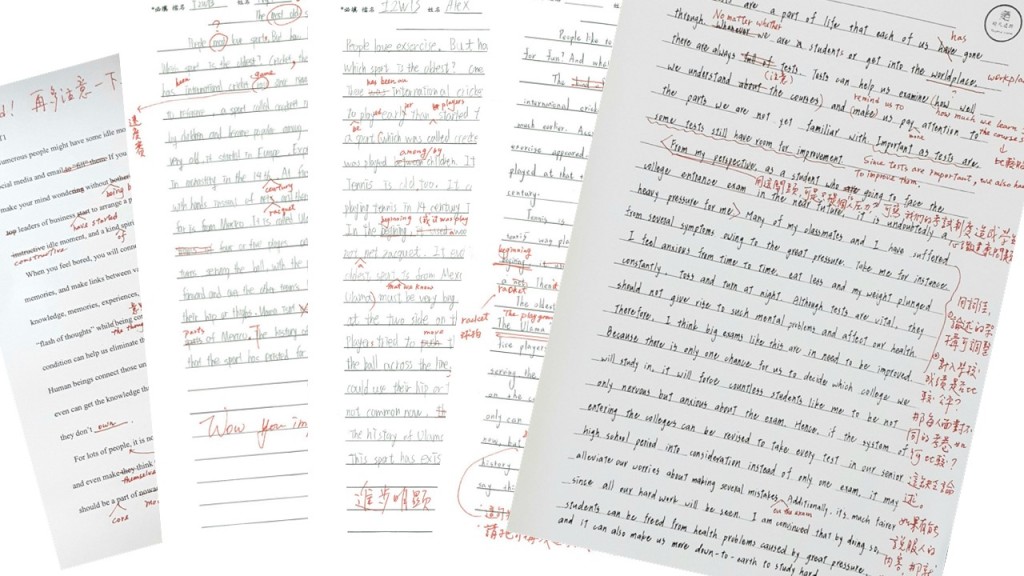
超凡遠距在2023年成功幫助多位學員在大學聯考獲得15滿級分,英文幫助他們錄取頂尖大學的熱門科系,因為在國家政策的帶領下,英文是各科系極為重視的項目。

(1) 圖片式寫作
大學聯考學測及全民英檢初級中級常出現的的考試模式。學員依據圖片及提示撰寫一篇長約120字的文章。

(2) 主題式寫作
這是各項考試均須具備的寫作能力。學員依據題目說明及寫作主題完成一篇長約150字的短文,參加留學考的學員必須寫長約250字以上的短文。

(3) 筆譯全文
這是進階為優秀寫作者的核心訓練,學員依據訓練層級,將指定中文文章翻譯成英文。此項訓練對學習者的文法及用詞均有極大幫助。

學員只要建立Google雲端共用資料夾,超凡遠距上傳訓練內容,然後學員進行:

學員可以手寫或打字完成作業,完成後上傳至雲端資料夾。

超凡遠距學員將完成作品上傳至雲端資料夾,雲端英語教練提供改善建議

你可以省下大量寶貴的時間完成最完整的寫作訓練,輕鬆應付大學考、留學考、及具備AI無法取代的語言創造力。這一切就在超凡遠距。

報名專線

專人會立即跟您聯繫

Be a warrior, not a whiner

單字

  1. whiner愛埋怨的人
  2. accomplish完成
  3. ddiction壞習慣
  4. discouraged挫折的
  5. setback挫折
  6. bitter無法釋懷的
  7. defeat擊敗
  8. transform蛻變,轉化
  9. overwhelm壓倒;擊垮

Be a warrior, not a whiner!

成為鬥士 別成為愛埋怨的人

We all have things that we believe in and

我們都有深信會發生的事

dreams that we want to accomplish.

以及想要達成的夢想

Maybe it’s to see our family to get healthy, lose some weight,

也許這夢想是看到家人健康、減重

break an addiction, or start our own business.

戒掉壞習慣 或者開創新事業

But sometimes as it goes on, month after month,

但是有時候一個月一個月過去,

even year after year, we don’t see anything changing.

甚至一年一年過去 我們的夢想沒有什麼進展

And It’s easy to get discouraged and think:

很快的我們就覺得遭遇挫折 然後開始想著

“My dream is never going to happen…"

我的夢想永遠不可能成真

“Why keep fighting? Nobody supports me anyway.”

為什麼要繼續奮鬥 反正沒人支持

“This is as far as I can go. I’ll just learn to live with it…"

我就只能走到現在這一步 我只能接受

We all go through disappointments, setbacks,

我們都經歷過失望 挫折

loss, struggles, loneliness, and so on.

失去所愛 掙扎 寂寞等等

No matter how we call it, it is pain…

無論我們給他什麼名稱 這都是一種痛苦

To go through the pain,

要度過這樣子的痛苦

the key is what we do in our times of pain.

關鍵就在於怎麼面對痛苦

Pain is a part of life.

痛苦是人生的一部分

Pain will change us.

痛苦會改變我們

Eventually, pain will pass, but you will be different.

痛苦會過去 但是你也會變得不同

You may go through it and come out better.

你可能度過痛苦 變得更好

You may escape from it and come out bitter.

你可能逃避痛苦 變得更不好

You can come out defeated, giving up on your dreams,

你可能被擊敗 放棄你的夢想

You can come out transformed, getting closer to your dreams.

你可能改變自我 越接近夢想

You can be a warrior. Change the pain!

你能夠當個勇者 改變痛苦

Don’t be a whiner. Let the pain change you!

不要老是埋怨 這樣痛苦會改變你

When we keep complaining about what happens to us,

當我們不斷的抱怨發生在我們身上的一切

we make poor decisions, say bad words, harm people around.

我們會做錯誤的決定 說不該說的話 傷害身邊的人

Then you let the pain overwhelm you.

這樣你就讓痛苦輾壓過你

No matter what pain you have been going through,

無論你正在經歷什麼樣的痛苦

It is just a normal part of life.

那是人生的一部分

it is an opportunity for a better you.

是獲得更好的自己的全新機會

Take it and change it.

接受痛苦 改變痛苦

Don’t complain and let it overwhelm you!

別埋怨而讓痛苦擊垮你

大學生英語競爭力提升計畫

享受大學生活,但同時為未來做好準備。

大學是拓展視野的最佳機會,最值得做的一件事情就是帶著英語能力進入大學。

大學階段除了有許多跟國際學生交流的機會、也能甄選加入外國大學學生交換計畫、畢業前參加留學考,或為就業做好準備、更可成為2030雙語台灣國家政策的先鋒。

可是剛從忙碌的中學生活解脫,又要進入補習班上那些貴森森的課程嗎?

你有超凡遠距全文輸出訓練選擇,既經濟(省時省錢)、又有效(效率效果),唯一個人化訓練課程(根據個人能力訓練),可以單選任一項目,或依需求組合。

如果您需要更強力的聽說讀寫訓練,彌補過去多年來的學習缺口,可以參考四項核心訓練四項強化訓練

回顧多年學習,為什麼過去投入大量時間金錢卻無法達到學習語言目的?,主因是沒有進行創造性的全文說寫輸出訓練。

所謂「全文」就是整個想法的輸出,例如做簡報、進行報告、介紹系所、部門或公司等等,這些是需要一次進行三分鐘以上的英語輸出,這跟許多人只是看影片、聽課等輸入學習,或朗讀、背單字等複製性輸出是完全不同的。超凡遠距的全文輸出訓練都是創造性的全文輸出訓練。

超凡遠距全文輸入輸出訓練運用雲端技術,讓學習者在遠端自行訂定訓練時間進行全文說寫輸出訓練,將訓練項目錄音或拍照,然後上傳至個人的Google雲端共用資料夾,雲端英語教練會以錄音或文字提供改善建議。

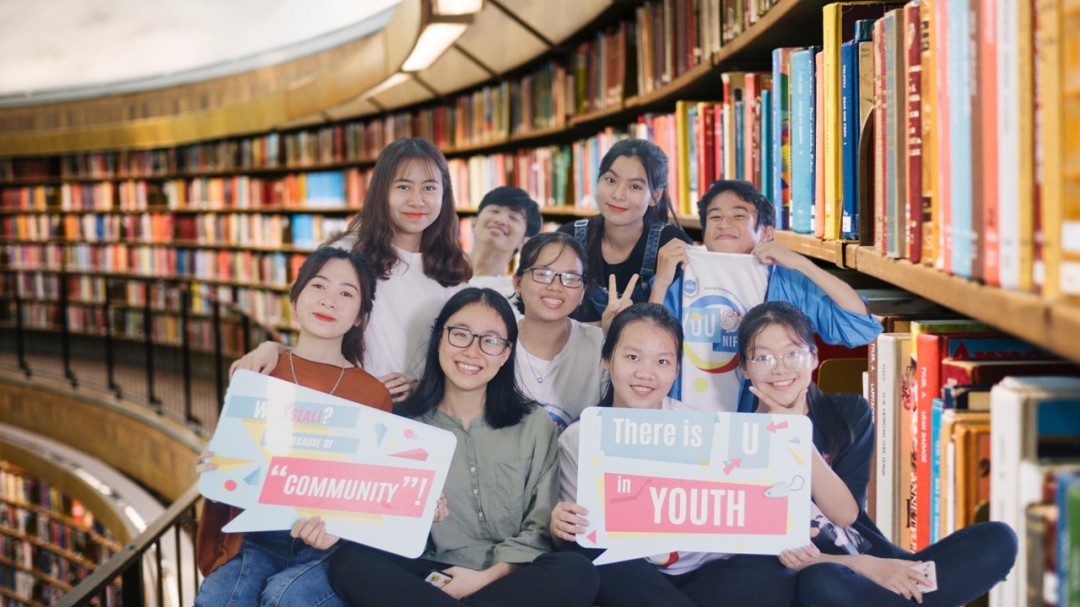
參與線上Topicmaster訓練課程的學員利用Google Meet跟來自不同城市、不同年齡、及不同專長的人以英語進行交流。

你再也不必繳數萬學費,忙碌奔波上課,結果不是不如預期就是提早放棄!

超凡遠距全文輸入輸出訓練幫助準大學生們擁有豐富大學生活,為將來做好準備。快加入我們的「大學生國際競爭力提升訓練計畫」!

Failure becomes legacy, but regret is just regret!

Imagine one morning many years from today!

想像許多年之後的某一個早晨

The sun is shining through your window!

太陽透過窗戶照耀著

You get out of bed just like today and yesterday.

你就像今天和昨天一樣的起床

Except that this particular day would be the last day of your life.

比較特別的是哪一天是你人生的最後一天

You look outside and begin reflecting on your life.

你望向窗外 開始回顧自己的一生

In that moment what would you value the most?

在哪當下到底你最重視的是什麼

It is a simple reminder of what’s important today.

這個簡單的想法會提醒你到底 今天什麼是重要的

It brings much-needed perspective for your future

這簡單的想法會為你的未來帶來你最需要的一個視角

When you get to look back on everything you’ve done right,

當你回頭看看那些你所有的成就

on the last day of your life,

在你人生的最後一天

you’ll remember the times when you did something significant,

你將會記得 一些 你做的許多有意義的事情的時刻

to contribute to your family or those who mean the most to you.

為你的家庭或對你最有意義的人所做的奉獻

The difficult climbs over tall mountains have become your stories.

爬越高山的艱辛都成為你的故事

If you imagine what you would feel in that moment,

如果你去想像那當下的感受

on the last day of your life,

也就是在你人生的最後一天

you probably won’t remember the battles, the struggles, and the failures.

你也許不會記得那些爭鬥那些掙扎那些失敗

You’ll remember the victory that came after the failures.

你將會記得失敗之後的勝利

What if you don’t have failures, but fear and regret?

但是 要是你沒有那些失敗 只是恐懼跟懊悔呢?

The biggest regret of people with limited time left is

在人生所剩的日子不多的時候人們最大的懊悔就是

shunning challenges, not doing what they know they should,

在人生當中躲避挑戰 沒有去做他們知道它們該做的事情

not having lived a life that was due to themselves.

沒有好好的為了他們自己而生活

If you agree with me and now we have that wisdom,

如果你贊成我所說的而現在我們已經 更有智慧了

Why would we not act on our dream.

我們怎能不趕快為我們的夢想採取行動呢?

Don’t let yourself be the person who looks back and thinks about “what if”.

不要讓自己成為回顧過去的時候只能說「要是…」的那種人

Start to write your stories.

開始寫自己的故事

Make your story a best-seller to the people who know you.

讓你的故事成為認識你的人心中的暢銷書

Live well and right.

好好生活 正確生活

The small failures will shape who you really are.

人生中許多小小的失敗會塑造出將來的你

The true successes will make your world different.

真正的成功會讓你的世界變得不同

Regret will be just regret!

懊悔永遠都只是懊悔!

Unit 47   Growing up and Getting Old

  1. How do you feel about your current age right now—what do you enjoy about it, and what do you struggle with?
    你對你現在的年紀感覺如何?你喜歡什麼、又覺得什麼最難?
  2. When you think about getting older, what emotions come up most (excited, nervous, calm, afraid, etc.)—and why?
    想到變老時,你最強烈的情緒是什麼(期待、緊張、平靜、害怕…)?為什麼?
  3. At this stage of your life, what is your biggest focus or worry these days (school, money, health, family, future, identity, etc.)?
    在你人生的這個階段,你最近最大的焦點或擔憂是什麼(學業、金錢、健康、家庭、未來、自我認同…)?
  4. Looking back, what part of your past do you feel most thankful for—and what part do you still wish you could change?
    回顧過去,你最感激的一件事是什麼?你最希望能改變的一件事又是什麼?
  5. Which age or period of your life felt the most meaningful or life-changing—and what happened then?
    你人生中哪一個年紀或階段最有意義、最改變你?那時發生了什麼?
  6. Have your grandparents (or any older family member) shaped your personality or values in a memorable way? How?
    你的祖父母(或其他長輩)有沒有用某種方式影響你的人格或價值觀?怎麼影響?
  7. Have you ever felt a “generation gap” with someone older or younger—like you just couldn’t understand each other? What was the situation?
    你有沒有跟年紀更大或更小的人出現「代溝」的時刻?發生在什麼情況?
  8. What physical or mental changes have you noticed as you’ve grown (energy, patience, confidence, stress, emotions, habits)?
    隨著長大,你有注意到哪些生理或心理上的改變(體力、耐心、自信、壓力、情緒、習慣)?
  9. In your opinion, what is one real advantage of getting older—and one real disadvantage, based on your own experience?
    以你的經驗來說,變老最大的好處是什麼?最大的缺點是什麼?
  10. If you could give one piece of advice to a younger version of yourself (or someone younger than you), what would it be—and why?
    如果你能給年輕時的自己(或比你小的人)一句建議,你會說什麼?為什麼?

無論您是(1)注重口說寫作的國高中生; (2)提升競爭力的英文老師; (3)努力成為各科雙語老師; 或(4)提升專業英語說寫能力的碩博生或社會人士。請洽客製化訓練課程詢問專線

大量英語全文說寫遠距訓練:全文輸入輸出訓練
影片線上教學平台:Youtube教學頻道
提升國際競爭力 加入超凡遠距 。