AI無法取代的語言訓練:寫作

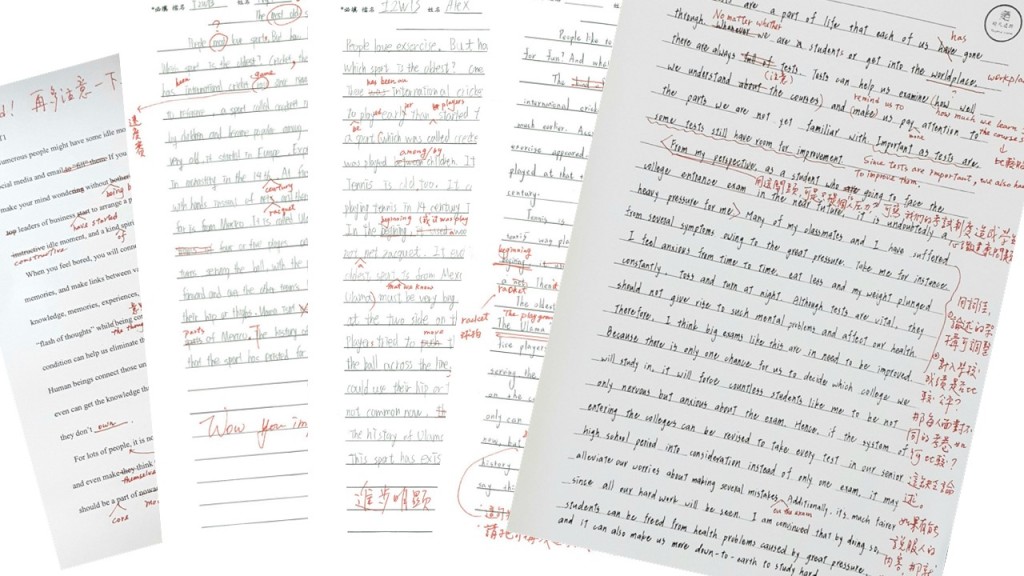
寫作是大學聯考頂標的關鍵,是留學考錄取頂級學校的指標,更是發展創造力,不被AI取代的要素

超凡遠距在2023年成功幫助多位學員在大學聯考獲得15滿級分,英文幫助他們錄取頂尖大學的熱門科系,因為在國家政策的帶領下,英文是各科系極為重視的項目。

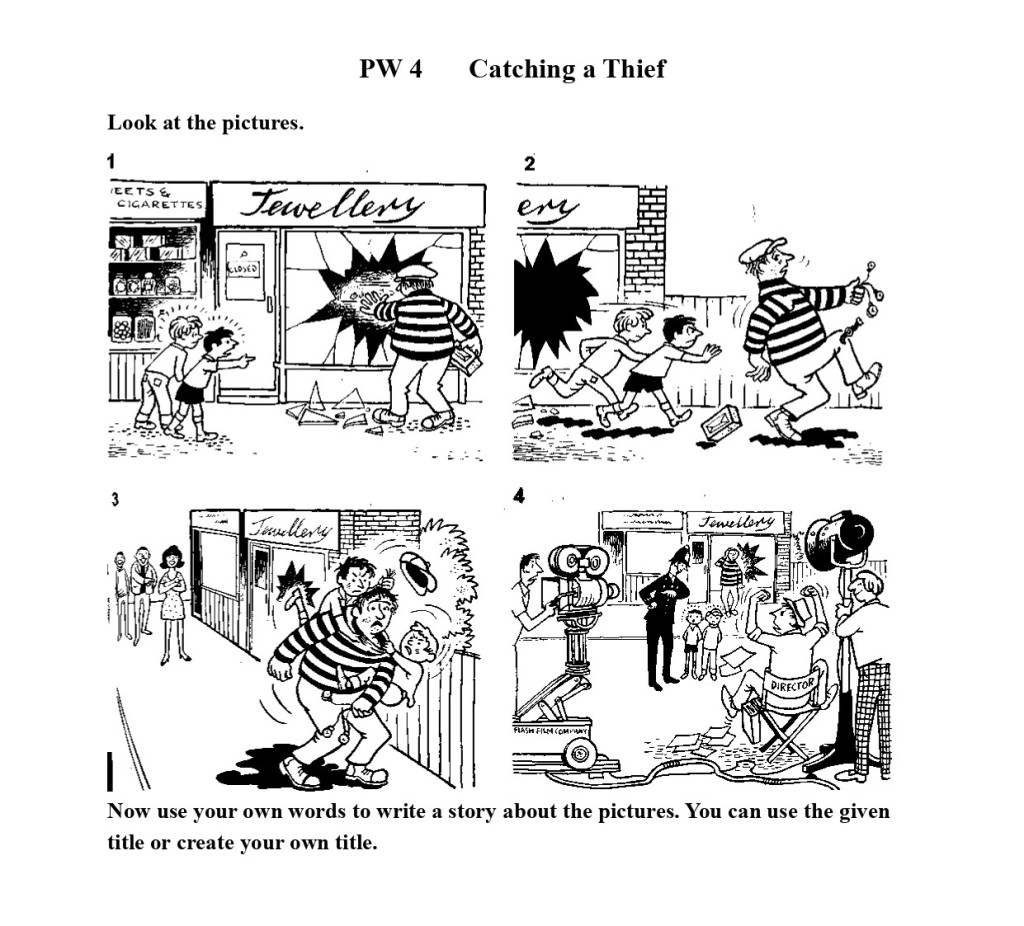
(1) 圖片式寫作
大學聯考學測及全民英檢初級中級常出現的的考試模式。學員依據圖片及提示撰寫一篇長約120字的文章。

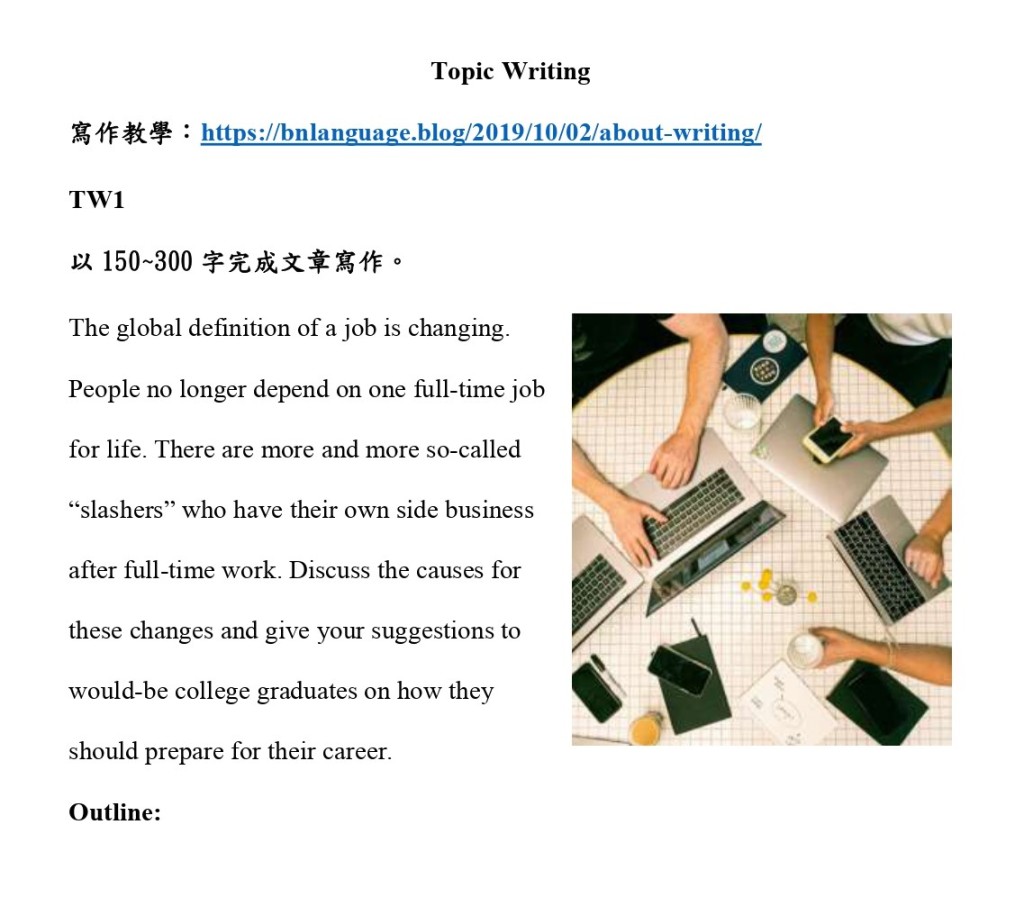
(2) 主題式寫作
這是各項考試均須具備的寫作能力。學員依據題目說明及寫作主題完成一篇長約150字的短文,參加留學考的學員必須寫長約250字以上的短文。

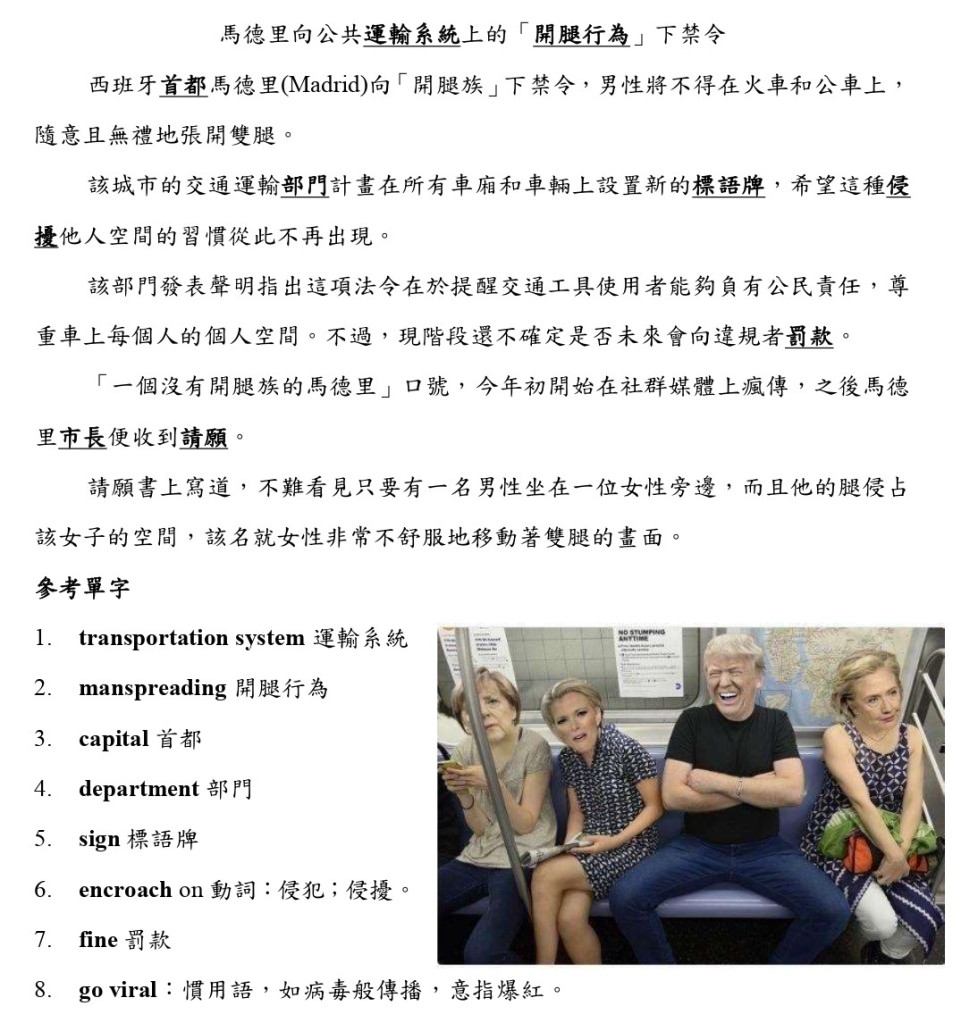
(3) 筆譯全文
這是進階為優秀寫作者的核心訓練,學員依據訓練層級,將指定中文文章翻譯成英文。此項訓練對學習者的文法及用詞均有極大幫助。

學員只要建立Google雲端共用資料夾,超凡遠距上傳訓練內容,然後學員進行:

學員可以手寫或打字完成作業,完成後上傳至雲端資料夾。

超凡遠距學員將完成作品上傳至雲端資料夾,雲端英語教練提供改善建議

你可以省下大量寶貴的時間完成最完整的寫作訓練,輕鬆應付大學考、留學考、及具備AI無法取代的語言創造力。這一切就在超凡遠距。

報名專線

專人會立即跟您聯繫

44 假設語氣 (與過去事實相反)

用wish表達期望

跟過去事實相反的假設語氣是用以表達「期待過去的事件有所改變」的名詞子句,表達時常用wish作為動詞,用名詞子句做為受詞,正確造句的關鍵在於名詞子句中的動詞變化。 

例句1
事實:I didn’t study for the test.
許願:I wish (that) I had studied for the test.

例句2
事實:Jim didn’t finish his work.
許願:Jim wishes he had finished his work.

例句3
事實:I went to the meeting.
許願:I wish I hadn’t gone to the meeting.

例句4
事實:Bobby told her the truth.
許願:I wish Bobby hadn’t told him the truth.

例句5
事實:I couldn’t do it yesterday.
許願:I wish I could have done it yesterday.

if說明期望實現的結果

若wish表達期望之後,常用if表達結果。表達時通常用would havecould have於結果子句中。

例句1
事實:I didn’t have enough time.
許願:I wish I had had enough time.
結果子句:If I had had enough time, I would have done it.

例句1
事實:The weather wasn’t nice yesterday.
許願:I wish the weather had been nice yesterday.
結果子句:If the weather had been nice yesterday, I would have gone to the park.

唯一雲端虛擬教室,將想法全文輸入輸出訓練🎯,雲端專人訂正提供改善建議。
影片線上教學平台:Youtube教學頻道
提升國際競爭力 加入超凡遠距 。

無論您是(1)注重口說寫作的國高中生; (2)提升競爭力的英文老師; (3)努力成為各科雙語老師; 或(4)提升專業英語說寫能力的碩博生或社會人士。請洽客製化訓練課程詢問專線

43 假設語氣 (與現在)事實相反

用wish表達期望

假設語氣是用以表達「期待目前的事實有所改變」的名詞子句,表達時常用wish作為動詞,用名詞子句做為受詞,正確造句的關鍵在於名詞子句中的動詞變化。

例句1
事實:I don’t know how to dance.       
許願:I wish (that) I knew how to dance.

例句2
事實:Ron has to work tonight.
許願:Ron wishes he didn’t have to work tonight.

例句3
事實:I can’t speak Chinese. 
許願:I wish I could speak Chinese.

例句4
事實:I’m not home in bed.                 
許願:I wish I were home in bed.

例句5
事實:It is so hot today.
許願:Everybody wishes it weren’t so hot today. (說明:動詞為be動詞時,其wish子句中的動詞一律用were。)

if說明期望實現的結果

若wish表達期望之後,常用if表達結果。表達時通常用wouldcould於結果子句中。

例句1
事實:I don’t have enough knowledge.
許願:I wish I had enough knowledge.
結果子句:If I had enough knowledge, I would tell them the truth.

例句2
事實:The weather isn’t nice today.
許願:I wish the weather were nice today.
結果子句:If the weather were nice today, I could go to the park.

唯一雲端虛擬教室,將想法全文輸入輸出訓練🎯,雲端專人訂正提供改善建議。
影片線上教學平台:Youtube教學頻道
提升國際競爭力 加入超凡遠距 。

無論您是(1)注重口說寫作的國高中生; (2)提升競爭力的英文老師; (3)努力成為各科雙語老師; 或(4)提升專業英語說寫能力的碩博生或社會人士。請洽客製化訓練課程詢問專線

18 基礎被動語氣

無論您是(1)注重口說寫作的國高中生及(2)提升競爭力的英文老師(3)還有努力成為雙語教室的各科老師(4)以及要提升專業英語說寫能力的碩博生。都能找到有效率有效果又經濟的客製化訓練課程!請洽詢問專線

被動語氣應該可以說是使用最廣泛,卻最容易使用錯誤的句型結構。被動的觀念也會影響到許多其他文法的運用,尤其將動詞被動的觀念運用在分詞形容詞的使用上,非常重要。

I. 英文句子的主動句與被動句。

  主動句: I do my homework every day.
  主詞 I 表達動詞 do 的動作,此動作反應在受詞 my homework 上。

  被動句: My homework is done by me every day.
  主詞 my homework 接受被動詞 is done 的動作,此動作由 by 後面的 me 表達。

時態主動被動
現在簡單The news surprises me. The news surprises us.I am surprised by the news. We are surprised by the news.
過去簡單The news surprised me. The news surprised us.I was surprised by the news. We were surprised by the news.
現在完成Bob has mailed the letter. Bob has mailed the letters.The letter has been mailed by Bob. The letters have been mailed by Bob.
過去完成Bob had mailed the letter when I called him.The letter had been mailed by Bob when I called him.
未來Bob will mail the letter. Bob is going to mail the letter.The letter will be mailed by Bob. The letter is going to be mailed by Bob.
注意畫底線部分的動詞改變

🎯將單字片語文法及想法運用於全文說寫輸出訓練,請參考全文輸入輸出訓練,從大量全文的聽說讀寫訓練建立語感,唯一雲端虛擬教室,專人訂正作業提供改善建議。

大量英語全文說寫遠距訓練:全文輸入輸出訓練
影片線上教學平台:Youtube教學頻道
提升國際競爭力 加入超凡遠距

31 假主詞

假主詞雖然名稱怪異👩‍🦳,但是應用上很單純。無論是假主詞或假受詞,其實都只是名詞 it 用來代替一整個句子或不定詞片語。

一般的句子用真主詞,例如 I like English. 或 To live is to learn. 這兩個句子沒有假主詞。但是句子 It is good to take a trip on the weekend. 就有假主詞 it。那真正的主詞是甚麼呢?

真主詞通常是(1)To + V 或 (2) that子句)。例如:
1. It is good to take a trip on the weekend.
它是好的去旅遊在周末! (沒人會這樣翻啦!又不是電腦翻譯機!! 重新組織一下!)
2. It is good to take a trip on the weekend. = To take a trip on the weekend is good.
在週末的時候,來一趟旅遊是很棒的!

原來真主詞是:來一趟旅遊to take a trip

為什麼不要說To take a trip on the weekend is good! 這樣就不用麻煩了。還要假主詞做甚麼?英文母語人士已經習慣主詞不要太長,讓主詞後面就是動詞,比較易懂不誤解。所以當是: (1)To + V或 (2) that子句,主詞就比較長,通常就可使用假主詞。

It is good that we take a trip on the weekend.
= That we take a trip on the weekend is good.

更多例句:
1. It is important to do exercise often. = To do exercise often is important.
2. It is important that we do exercise often. = That we do exercise often is important.

that有時會被省略。例如 It is good (that) we take a trip on the weekend.
但that子句當真主詞就不省略that,例如 That we take a trip on the weekend is good.

既然有假主詞,有沒有假受詞呢?有的,概念是一樣的,例如下句中的 it:
We found it hard to speak as fast as native English speakers.
我們發現很難說英文說得跟母語人士一樣快。

結論:假主詞或假受詞就是 It,有假就有真! 假主詞 It 是用來代替to + V或 that子句。但是要注意It is a good book.的 It 不是假主詞是代名詞😃。

無論您是(1)注重口說寫作的國高中生; (2)提升競爭力的英文老師; (3)努力成為各科雙語老師; 或(4)提升專業英語說寫能力的碩博生或社會人士。請洽客製化訓練課程詢問專線

唯一雲端虛擬教室,將想法全文輸入輸出訓練🎯,雲端專人訂正提供改善建議。
影片線上教學平台:Youtube教學頻道
提升國際競爭力 加入超凡遠距 。

29 名詞子句 (1)

🎯成為全文說寫輸出專家,進一步了解全文輸入輸出訓練

I. 名詞、名詞片語、或名詞子句的差別。

  1. I know him. (名詞)    
  2. I know his address. (名詞片語)
  3. I know where he lives. (名詞子句)
  4. Where does he live? I don’t know it
    → I don’t know where he lives.
  5. Does he live in Taipei? I don’t know it.
    → I don’t know whether/if he lives in Taipei.
  6. He lives in Taipei. I don’t know it.   
    → I don’t know (that) he lives in Taipei.

II. Wh-問句轉變成名詞子句

  1. Where does he live?
    → I don’t know where he lives.
  2. When did he go to school?
    → Do you know when he went to school?
  3. Why is Tom at home?
    → Please tell me why Tom is at home.

III.Yes/No問句轉變成名詞子句

  1. Is Eric at home?
    → I don’t know whether Eric is at home.
      = I don’t’ know if Eric is at home.
  2. Does the bus stop here?
    → Do you know whether the bus stops here?
       = Do you know if the bus stops here?

37 形容詞片語

形容詞片語是幾乎每篇文章都會出現的重要句型。

形容詞片語是形容詞子句簡化之後的表達方式,這也是常讓許多人困惑或誤解的句型結構,也是出現在重要考試中的常客。

I. 形容詞子句簡化成形容詞片語

  形容詞子句: The girl who is sitting next to me is Maria.
  形容詞片語: The girl sitting next to me is Maria.

說明

形容詞子句的主詞who與所修飾的詞the girl為同一人時,省略who並將動詞分詞化。若形容詞子句的主詞與所修飾的詞不為同一人時,則不能分詞化。例如:
子句The boy (whom) I saw was Tom.無法簡化,唯有關係代名詞做為主詞使用時才能簡化成片語,做為副詞或受詞時都無法簡化成片語。

II. 幾種簡化的模式

1. 省略主詞及be動詞:

    (1) The man who is talking to John is from Korea.
      →The man talking to John is from Korea. (留下現在分詞)

   (2) The ideas which are presented (呈現) in that book are good.
      →The ideas presented in that book are good. (留下過去分詞)

   (3) Ann is the woman who is responsible for the mistake.
      →Ann is the woman responsible for the mistake. (留下形容詞)

   (4) The books that are on that shelf are mine.
      →The books on that shelf are mine. (留下介詞片語)

2. 省略主詞,將一般動詞變成現在分詞:

(1) English is a language that consists of 26 letters.
    →English is a language consisting of 26 letters.

(2) Anyone who wants to come with us is welcome.
→Anyone wanting to come with us is welcome.

無論您是(1)注重口說寫作的國高中生; (2)提升競爭力的英文老師; (3)努力成為各科雙語老師; 或(4)提升專業英語說寫能力的碩博生或社會人士。請洽客製化訓練課程詢問專線

唯一雲端虛擬教室,將想法全文輸入輸出訓練🎯,雲端專人訂正提供改善建議。
影片線上教學平台:Youtube教學頻道
提升國際競爭力 加入超凡遠距 。

33 形容詞子句 (2)

形容詞子句的功能就是形容詞,想想看我們若是沒有形容詞,我們在表達上會有多受限制😁,這一個單元的形容詞子句介紹的是修飾地方、時間的形容詞子句,以及使用whose的形容詞子句。還有高中常在考試出現的搭配介係詞的形容詞子句。

將單字片語文法及想法運用於全文說寫輸出訓練,請參考全文輸入輸出訓練,從大量全文的聽說讀寫訓練建立語感,唯一雲端虛擬教室,專人訂正作業提供改善建議。

28 形容詞子句 (1)

形容詞子句應該是口語表達上最為重要的用法! 使用上非常有彈性, 無論在哪一種場合, 都是非常重要好用的句型用法。形容詞子句就是用一個句子來當作形容詞用以修飾名詞,例如:

我們要做個讓他人感到溫暖的人。在中文讓他人感到溫暖的就是形容詞,

在英文就是形容詞子句,因為必須要要一個句子才能做出表達。

子句就是句子裡面的句子,子句的結構跟句子的結構是一樣的也就是:
主詞+動詞+受詞+介詞片語+副詞

形容詞與形容詞子句到底有何不同?

  1. I met a kind man. 我碰到一個仁慈的人。
    kind是一個形容詞,修飾man這個名詞。
  2. I met a man who is kind to everyone. 我碰到一個對每個人都很仁慈的人。
    who is kind to everyone是形容詞子句,修飾man這個名詞。

中文的形容詞子句只需要 <…………的 + 所修飾的名詞>。

英文因為結構上的要求,有些簡單規則:

  1. 要放在所修飾的名詞後面。
    I met a man who is kind to everyone.
    我碰到一個對每個人都很仁慈的人。
  2. 形容詞子句當中有一個關係詞,修飾人就用who,修飾事物用which。通用關係詞that。

形容詞子句的形成通常是兩個想法,也就是兩個句子的結合。例如:

  1. 那個人很友善。The man is friendly.
  2. 他住在我隔壁。He lives next to me.

想法結合:那個住在我隔壁的很友善。

The man who lives next to me is friendly.
He lives next to me. > who lives next to me
who是關係詞,也是形容詞子句的主詞。

  1. 那個人很友善。The man was friendly.
  2. 我昨天碰見了他。I met him yesterday.

想法結合:那個我碰見的很友善。

The man whom I met yesterday was friendly.
I met him yesterday. > whom I met yesterday
whom是關係詞,也是形容詞子句的受詞。

*如果whom是形容詞子句的開頭,習慣上也可以用who
The man who I met yesterday was friendly.

修飾「物」的時候使用which,例如:

  1. 那條河很髒。The river is dirty.
  2. 那條河穿越我們的鎮。It flows through our town.

想法結合:那條穿越我們的鎮的河流很髒。

The river which flows through our town is dirty.
It flows through our town. > which flows through our town.
which是關係詞,也是形容詞子句的主詞。

  1. 那本書很貴。The book is expensive.
  2. 我買了那本書。I bought it.

想法結合:那本我買的書很貴。

The book which I bought is expensive.
I bought it. > which I bought.
which是關係詞,也是形容詞子句的受詞。